The “Hubei Bronze Age VR” exhibition combines film-grade digital reconstruction with a ~1,000 m², 30-minute free-movement VR experience. To operate reliably for the public, the venue required low-latency, seamless-roaming Wi-Fi with a per-headset throughput target of ~200 Mbps (no-buffer profile).
Building Low‑Latency, Seamless‑Roaming Wi‑Fi for a Large‑Space VR Experience
UniFi OS and Wi‑Fi 6 (U6 Pro) deliver high‑bitrate streaming across ~1,000 m² while a single management plane simplifies day‑to‑day operations.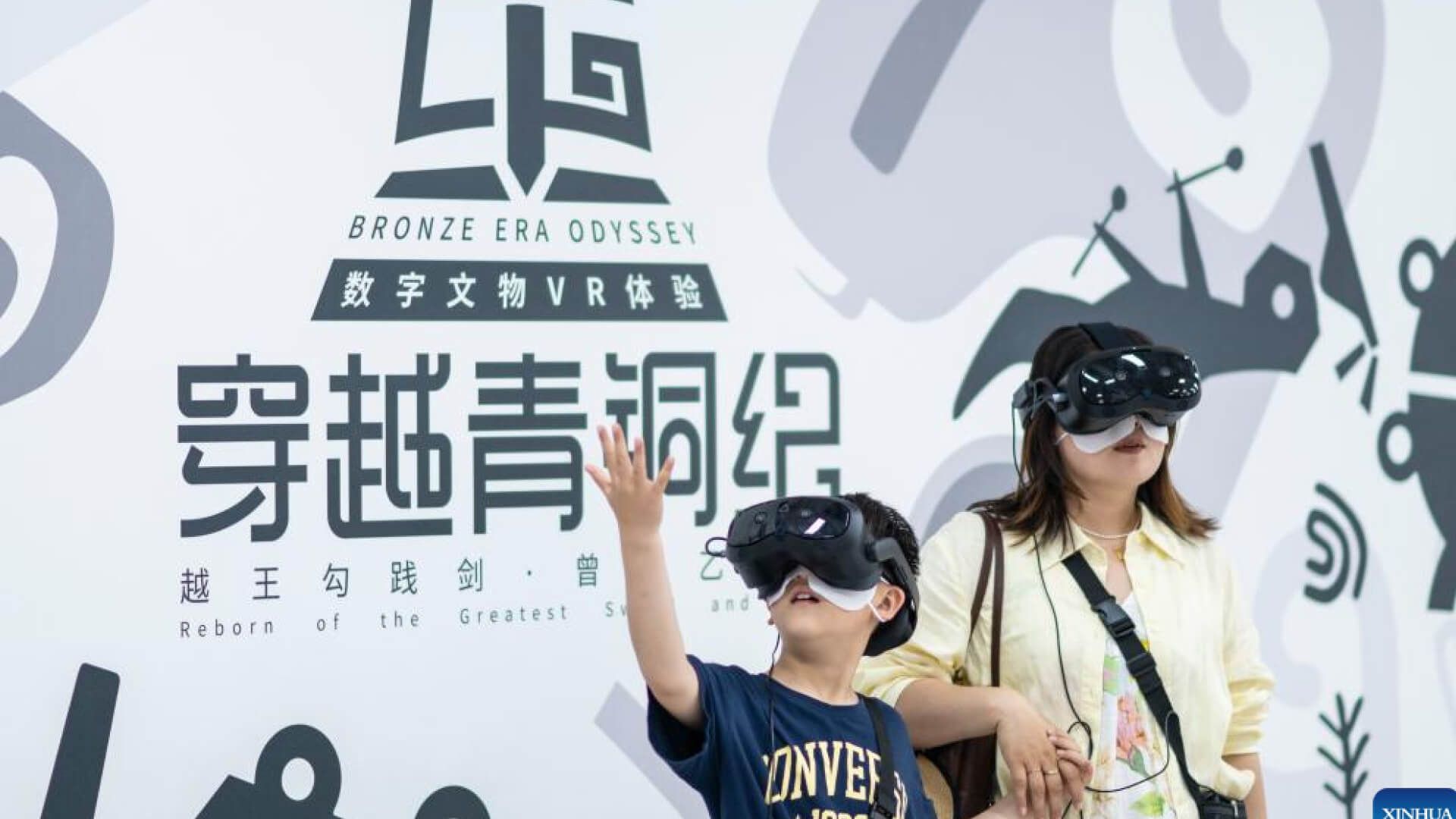
Seamless RoamingHi performance client coverage tailored to interference- and latency sensitive applications
High-Capacity SLAPredictable throughput at scale via advanced RF and airtime optimization
Hybrid Control PlaneOn-premises UniFi Console with secure remote Site Manager access
Background
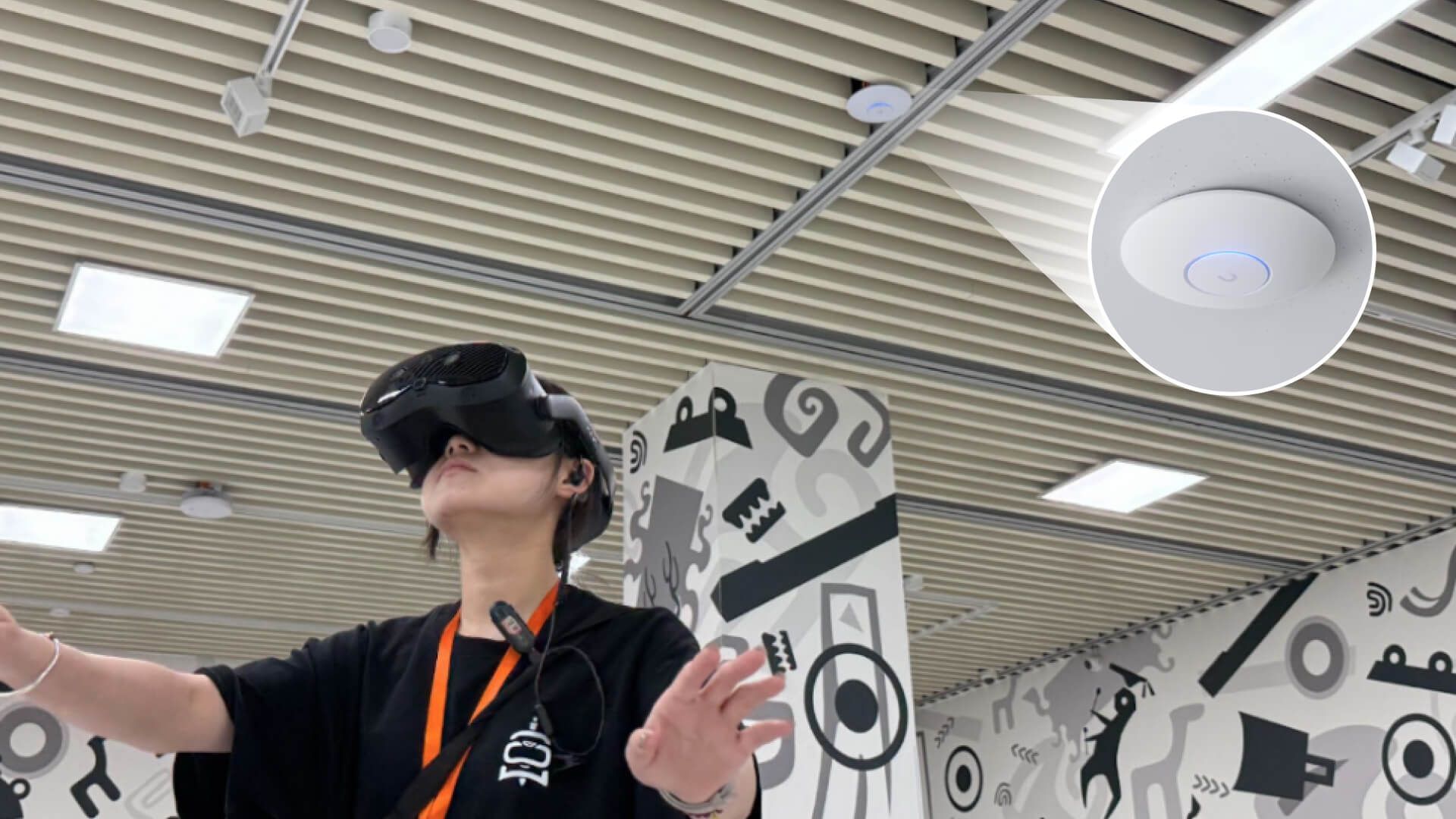
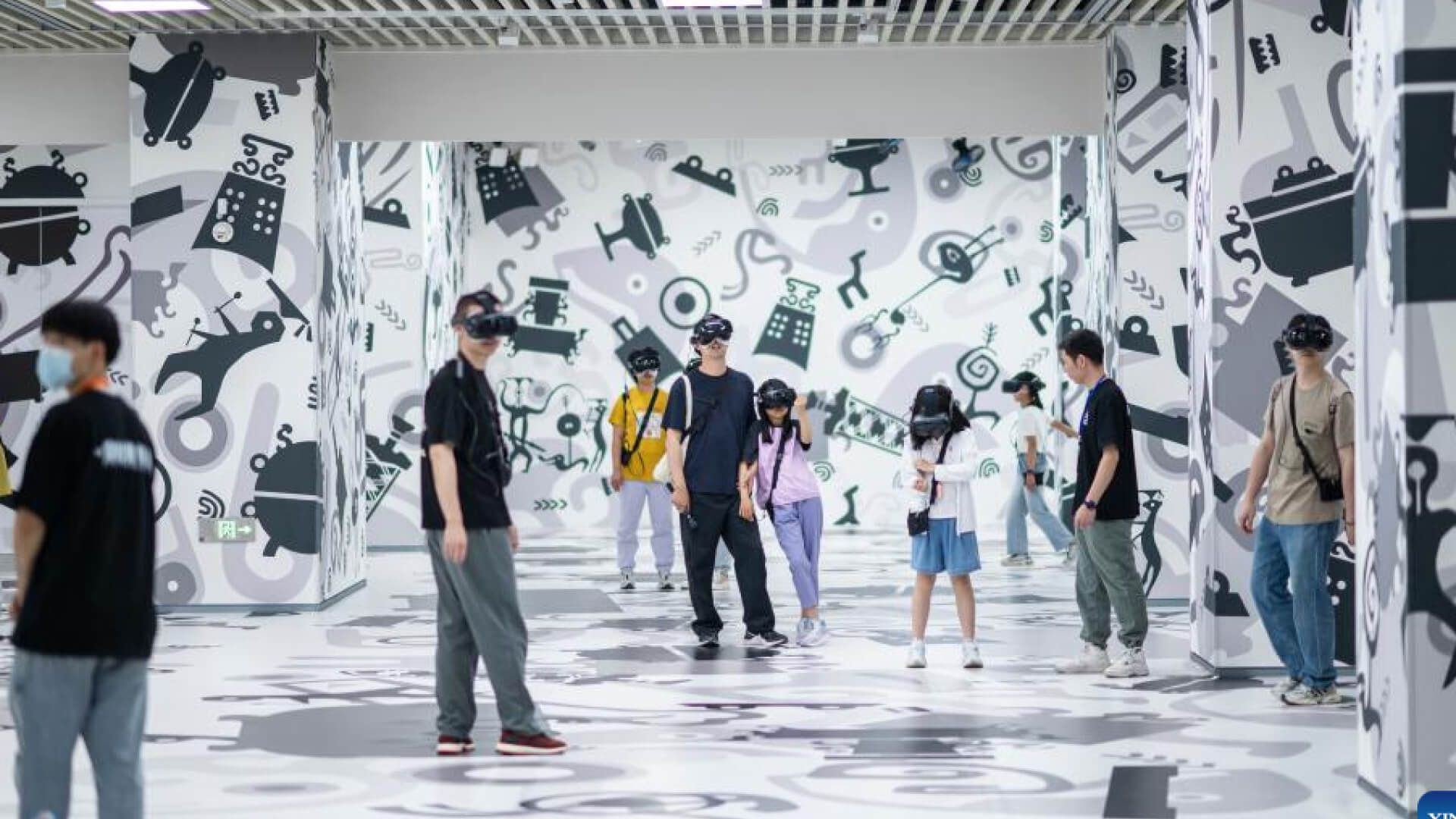
“Crossing the Bronze Age: Digital Relics VR Experience” is the world’s first film‑grade digital‑heritage VR project, produced by Hubei Provincial Museum and Wuhan Xingchen Shifen, with original production by Wuhan Two Point Ten. Visitors don headsets and freely explore a large, open-plan scene for ~30 minutes, experiencing near 1:1 reconstructions of cultural icons such as the Sword of Goujian and Zenghouyi bells.
Public operation raises the technical bar: unlike controlled lab demos, a museum must preserve predictable experience quality under variable crowd sizes, changing RF conditions, and tight operational windows. From the outset, Two Point Ten – the production team overseeing venue build‑out—set three non‑negotiables: low end‑to‑end latency to avoid motion sickness, seamless roaming so movement never feels “sticky,” and sustained high bitrate delivery with no buffering. The network also needed to serve office areas and on‑site IoT devices and remain manageable by a lean staff without recurring license fees or brittle multi‑tool workflows.
Organization Requirements
- Seamless roaming across ~1000 m². Smooth handoff during movement with consistent frame delivery along typical visitor paths.
- High throughput at density. Support no‑buffer real‑time VR streams targeting ~200 Mbps downlink per device, with tight jitter/packet‑loss bounds.
- Operational simplicity & cost control. Controller‑driven deployment, unified dashboard, clean Office/Guest/IoT segmentation, no license fees.
- Cross‑use reliability. Stable connectivity not only on the VR floor, but also in staff areas and for venue IoT endpoints.
Why UniFi
- One platform, one console. UniFi OS centralizes WLAN/LAN policy, RF planning, client analytics, and VLAN segmentation—ideal for an exhibit that must evolve in place.
- Performance‑first radios. U6 Pro (Wi‑Fi 6) sustained high bitrates with tight latency after tuning for 40 MHz channels, roaming thresholds, and client balancing.
- No licensing fees + PoE simplicity. Hardware‑only costs plus PoE single‑cable runs streamline deployment and future changes.
- Venue‑friendly design. Discreet industrial design integrates with galleries and public spaces.
RF Design for Seamless Roaming and Low‑Latency Streaming
The RF plan targeted uniform 5 GHz coverage and predictable roaming across the exhibit floor, aligned to actual visitor movement paths.
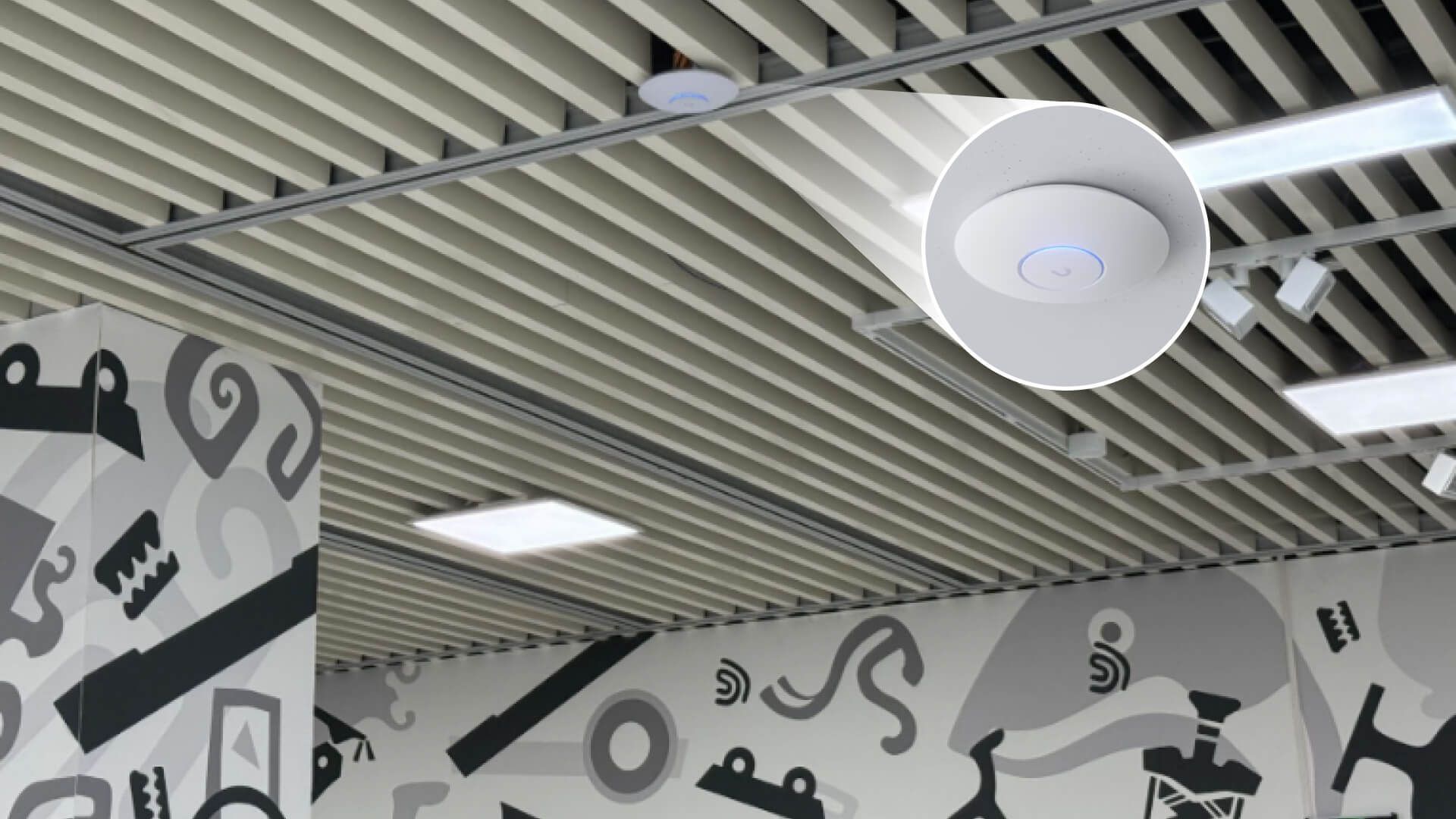
- Dense, even placement with roam thresholds. 14 U6 Pro APs spaced at ~11 m intervals; fast roaming enabled and thresholds tuned to prevent sticky clients. Along primary walk paths, target Minimum RSSI to curb edge‑of‑cell airtime and retransmissions that add jitter.
- 5 GHz with 40 MHz channels. For high‑density video, 40 MHz balances negotiated rates and airtime efficiency better than 80/160 MHz in shared spaces, enabling more non‑overlapping channels for spatial reuse.
- Deliberate channel reuse and DFS exploration. Non‑adjacent zones reused channels; DFS was used where clean to increase effective spectrum. Airtime was monitored during tuning to maintain predictable coexistence.
- Broadcast/multicast optimization and client balancing. Tuning reduced hotspots and kept per‑AP airtime within budget. The goal was not just high peak PHY, but low‑variance delivery—the metric that best correlates with VR comfort.
Result: handoffs happen “invisibly,” and visitors perceive a continuous experience as they move through the scene.
Concurrency & Throughput: From Baseline to Venue‑Ready
Pre‑density baseline tests with 3 APs produced ~300 Mbps average negotiated rates per device—sufficient for cached video but not proof for live, no‑buffer streams. With visitors, venue trials established a practical pre‑tuning ceiling of ~10 concurrent live streams per hall before stalling appeared—consistent with airtime physics for a ~200 Mbps per‑device target.
Optimization focused on three key design areas:
- Channel width & plan. Holding to 40 MHz and re‑allocating channels lowered CCI/OBSS contention.
- Roaming & RSSI policy. Slightly more aggressive roaming and a ≥ −65 dBm floor cut retransmission spikes near cell edges.
- Client distribution. Steering balanced loads across adjacent cells to respect per‑AP airtime budgets.
Post‑tuning, stability improved to meet the show’s delivery profile. Settings were documented as a repeatable template for future exhibits with similar density.
A Compact, Serviceable Footprint
The venue kept the bill of materials intentionally lean:
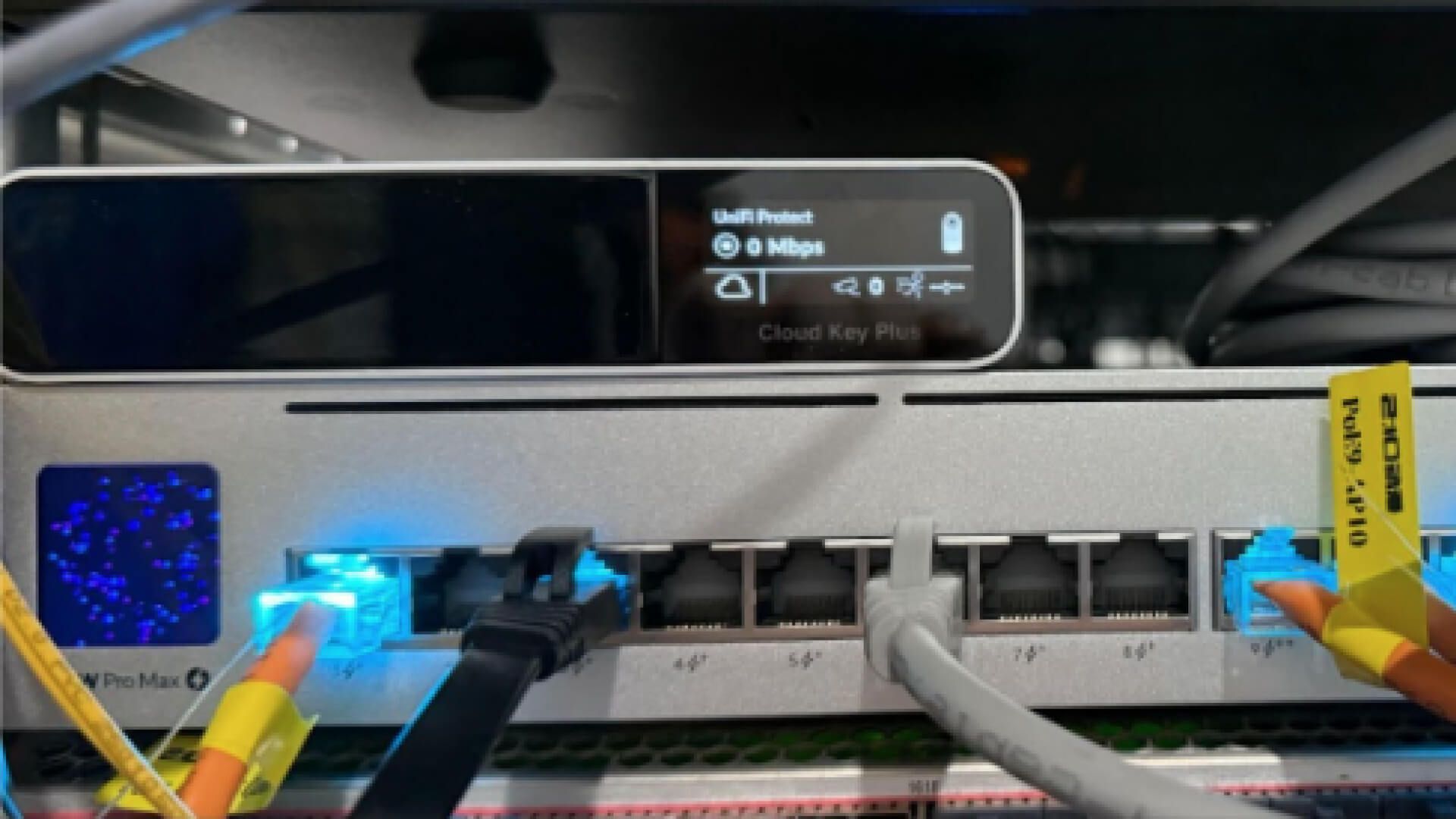
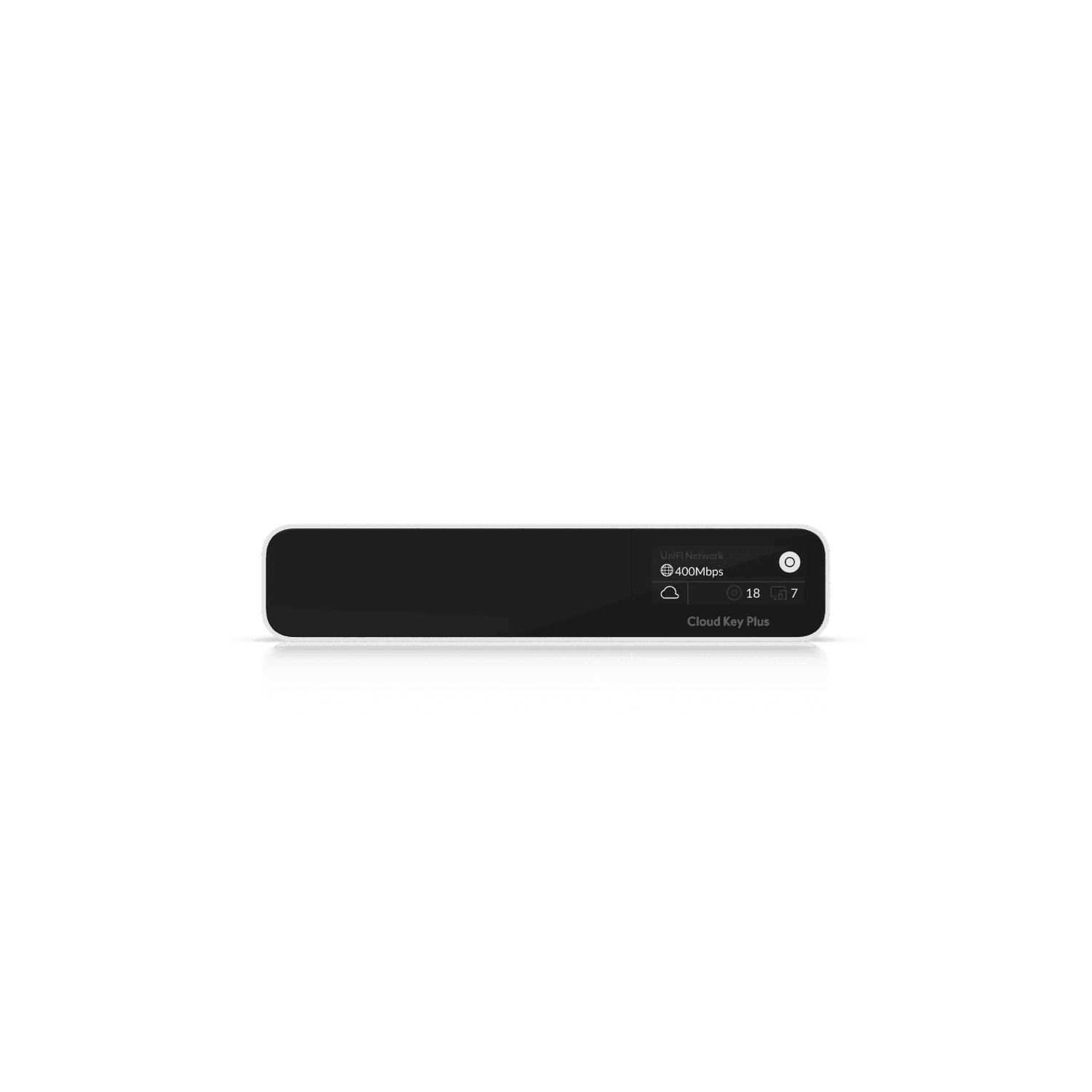
- Cloud Gateway: UniFi Cloud Key Gen2 Plus × 1
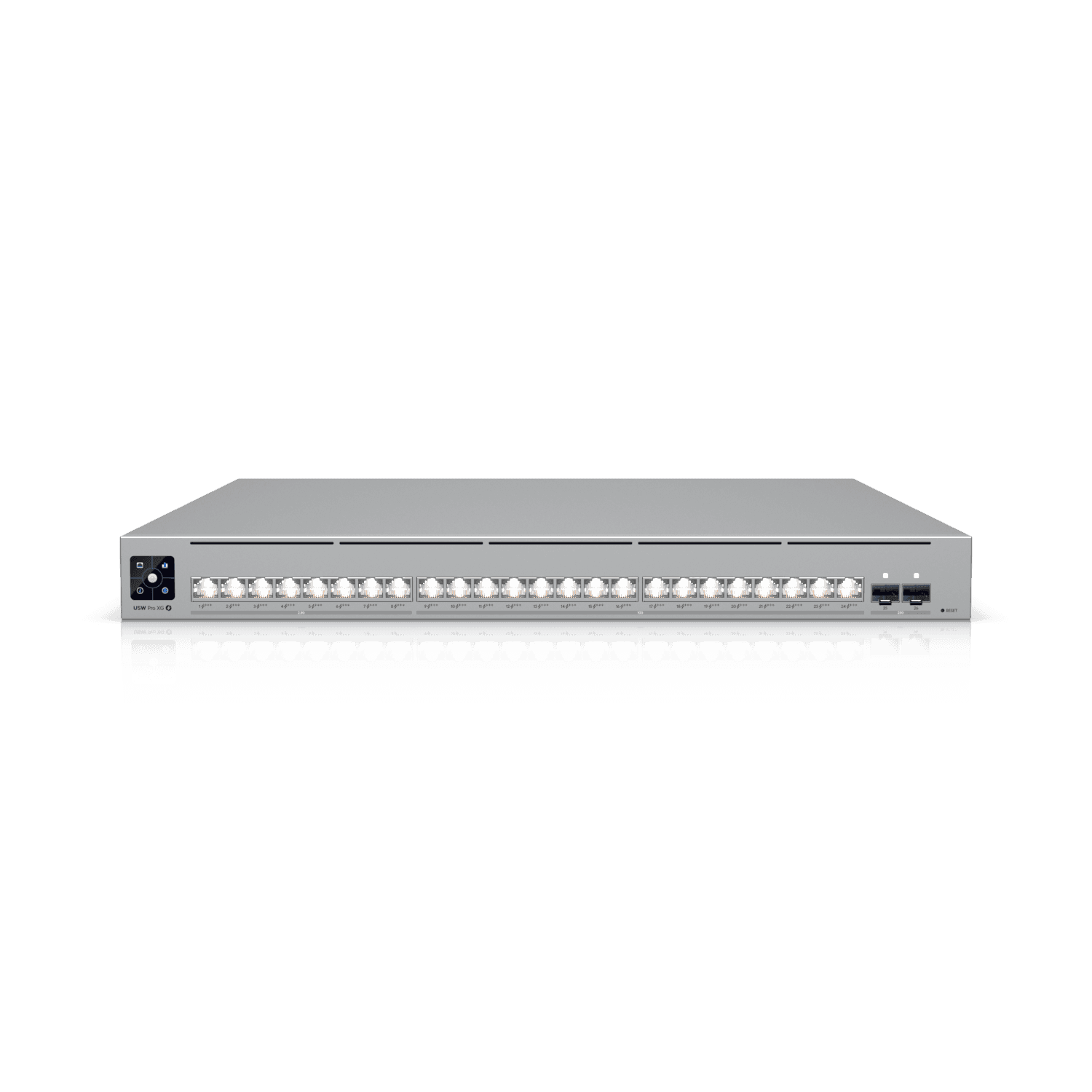
- Switching (PoE): USW Pro Max 24 PoE × 1
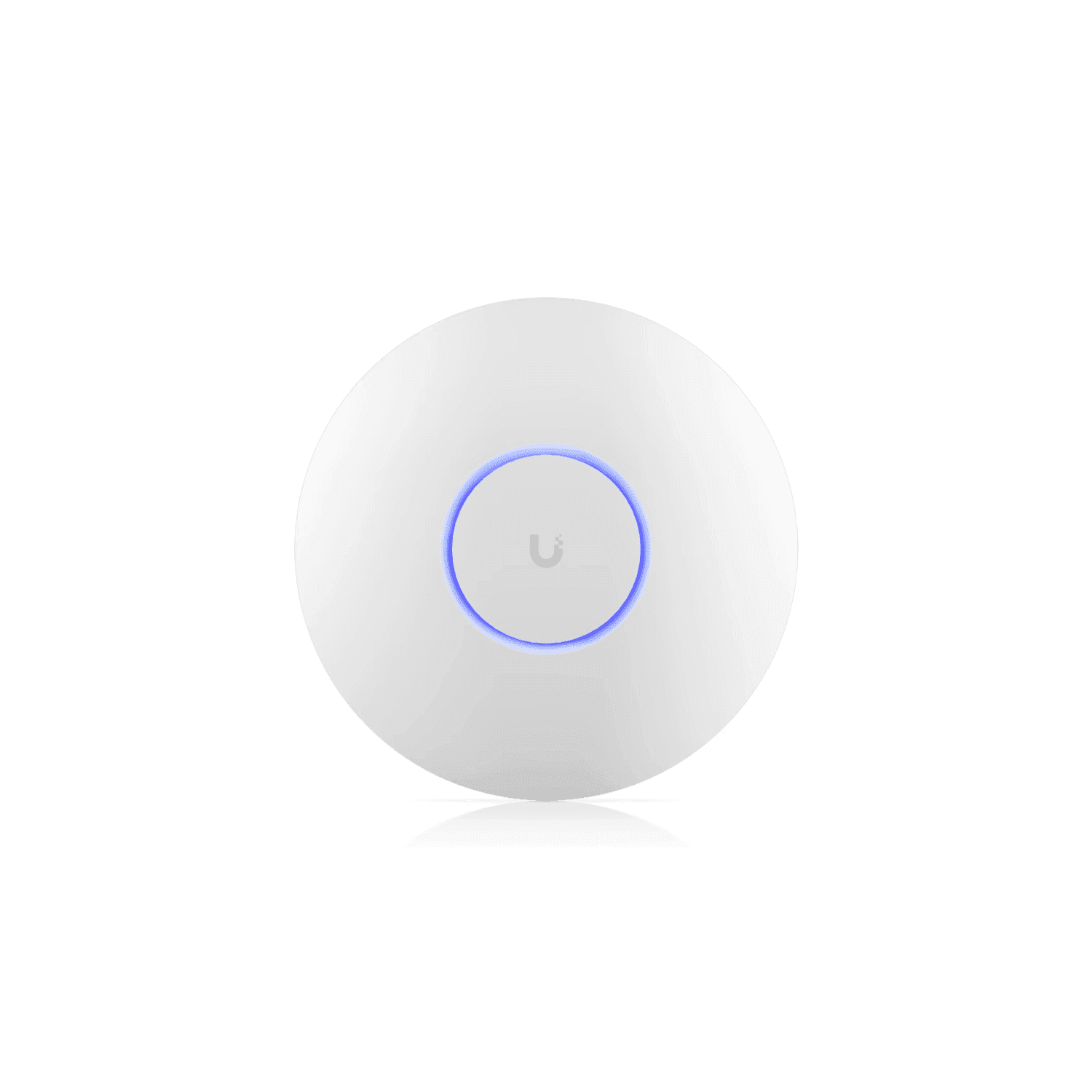
- Wi‑Fi: U6 Pro × 14
Headsets in this deployment operate on 5 GHz; 6 GHz is not used by client devices at present. PoE minimized cabling overhead, and UniFi OS centralized configuration and state in a single pane of glass. Day‑two tasks—SSID tweaks, VLAN changes, channel‑plan iterations—happen in one dashboard, without multi‑tool overhead.
Venue Architecture and RF Isolation Options
To accommodate potential two‑hall splits (e.g., ~50 VR clients per side) in ultra‑open spaces, the team evaluated structural RF isolation to enable safer channel reuse. Metal mesh/plate partitions between spaces can attenuate 5 GHz cross‑interference—useful where museum aesthetics allow—so density can scale without sacrificing per‑client airtime budgets.
Looking Ahead
- HQ 6 GHz testbed. An 8× U7 Pro lab is prepared for future headset support on 6 GHz.
- Scaling for bigger crowds. For larger audiences or dual-hall splits, raise AP density, tighten cell sizes, and leverage clean DFS channels; where the gallery layout allows, add discreet RF barriers to improve channel reuse in wide, open spaces.
- Single‑AP venue mode (feature request). For sub‑1,000 m², latency‑critical halls, a profile with user‑tunable antenna gain and more granular radio controls.
Results & Outcomes
With UniFi OS and 14 U6 Pro, the venue met its core goals: seamless roaming on the active floor, low‑jitter delivery for real‑time streams, and simple operations from a single console. Venue tests verified ~50 simultaneous live streams before optimization; after channel/roaming/client‑distribution tuning, stability improved to meet the exhibit’s target profile. Following a correction to RADIUS VLAN precedence, Office / Guest / IoT segmentation now behaves as intended, and routine changes—from SSID policy to channel allocation—no longer require service‑wide maintenance windows.
Ubiquiti gave us professional‑grade, high‑throughput gear that actually carries wireless VR. UniFi met the bar for bandwidth‑hungry, interference‑sensitive streaming, and UniFi OS made setup and daily operations straightforward, cutting launch time and ongoing costs.
VR Venue Network Lead | Two Point Ten (两点十分)
Operationally, the museum benefits from a repeatable playbook: a clear large‑space VR RF/roaming recipe, a compact and serviceable hardware set, and one management plane for monitoring and change control—keeping the experience immersive for visitors while keeping technical debt low.
Conclusion
Large‑space, public‑venue VR is unforgiving: even small spikes in jitter or roaming lag are noticeable and break immersion. This deployment aligned design with RF realities—40 MHz on 5 GHz, −65 dBm targets along paths, fast‑roaming tuned to avoid stickiness, and an AP layout scaled to the hall—while UniFi OS kept every moving part visible and controllable. The result is a working exhibit that balances throughput, latency, and manageability—and a path to scale via a 6 GHz lab, RF isolation strategies for split halls, and a codified playbook for 100+ concurrent devices.