Ultrapark Development Group

min

Business Impact

The adoption of UniFi has enabled Ultrapark to reduce deployment times, optimize remote infrastructure management, and deliver technology services more efficiently. These improvements benefit both Campus Profesionales operations and selected customer environments where Ultrapark also manages UniFi solutions.

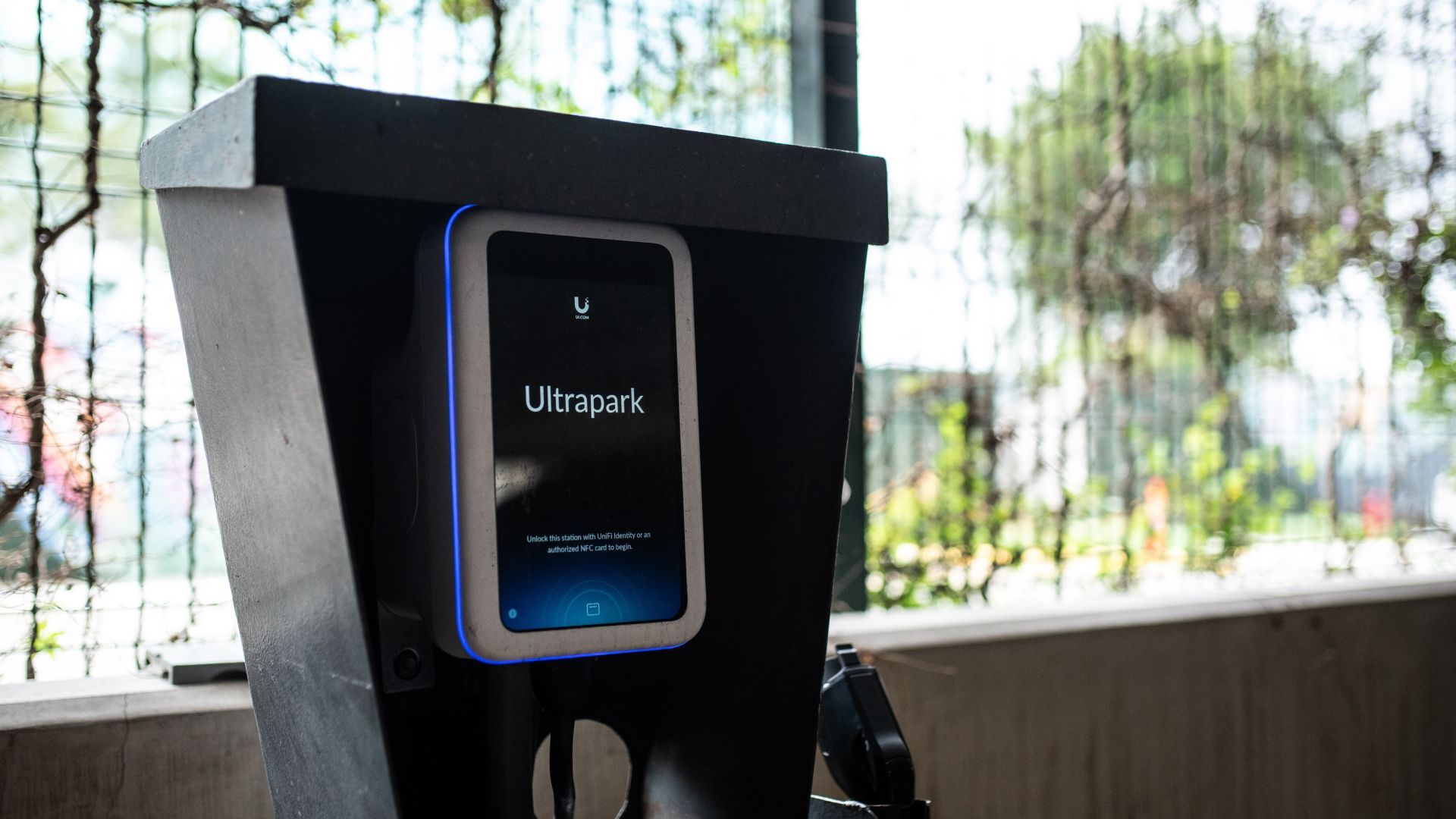
Additionally, the integration of electric vehicle chargers enables energy consumption monitoring, the implementation of policies for more efficient energy usage, and improved management of EV charging services across the campus.

Overall, the platform has strengthened Ultrapark's ability to manage a technology-driven campus through a centralized solution, providing greater infrastructure visibility and more efficient management of services such as CCTV, access control, network segmentation, digital signage, EV Charging, environmental monitoring, and remote support. It also maintains the flexibility required to manage specific customer UniFi environments when needed.
Product Solution

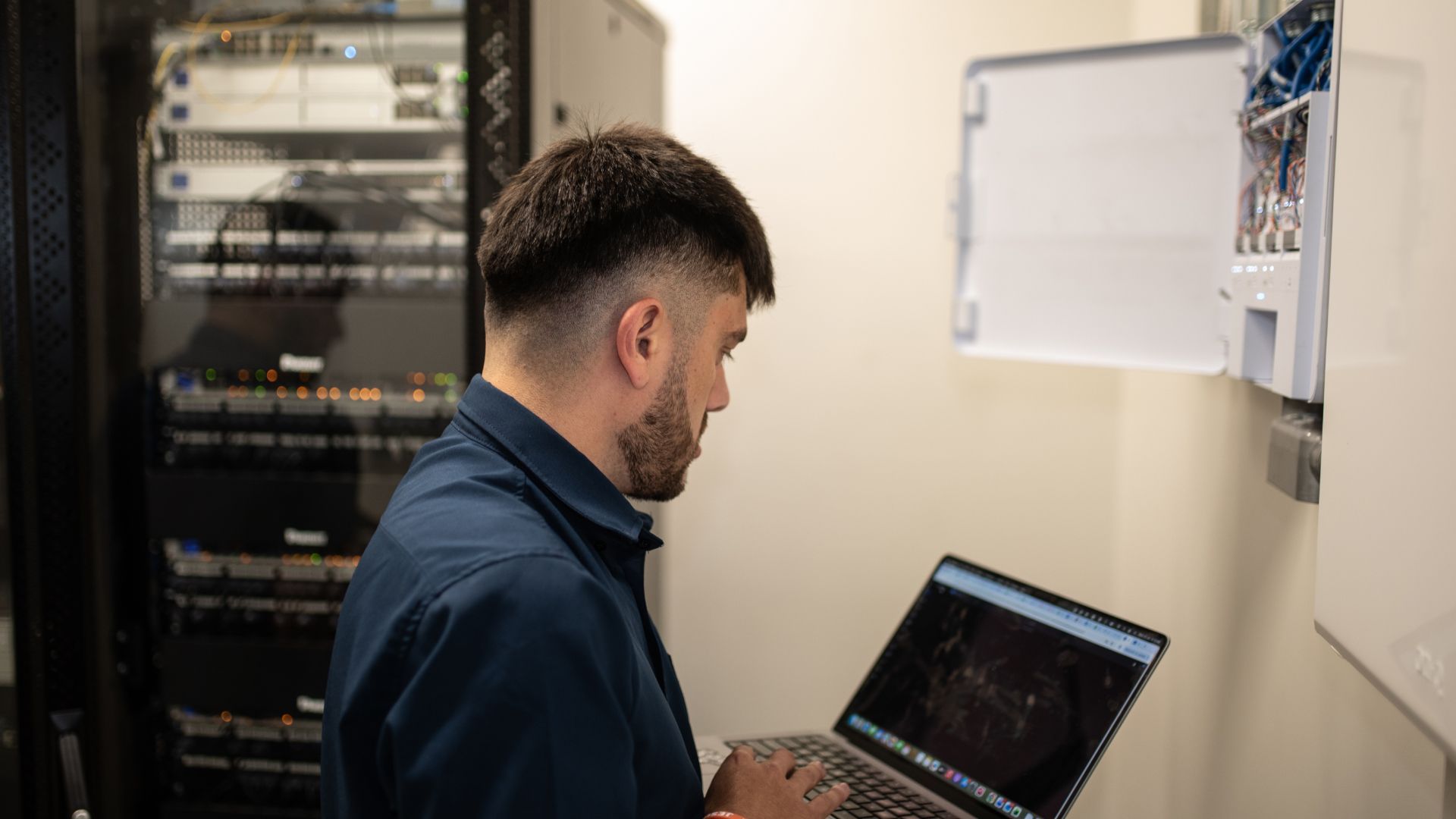
The solution was designed to leverage the key strengths of the Ubiquiti ecosystem compared to other platforms, including rapid deployment, centralized management, ease of use, a comprehensive product portfolio, and the ability to integrate multiple services into a single platform. This approach enabled the transition from standalone solutions to a unified technology architecture that is more efficient, scalable, and easier to manage.

Deployment Details

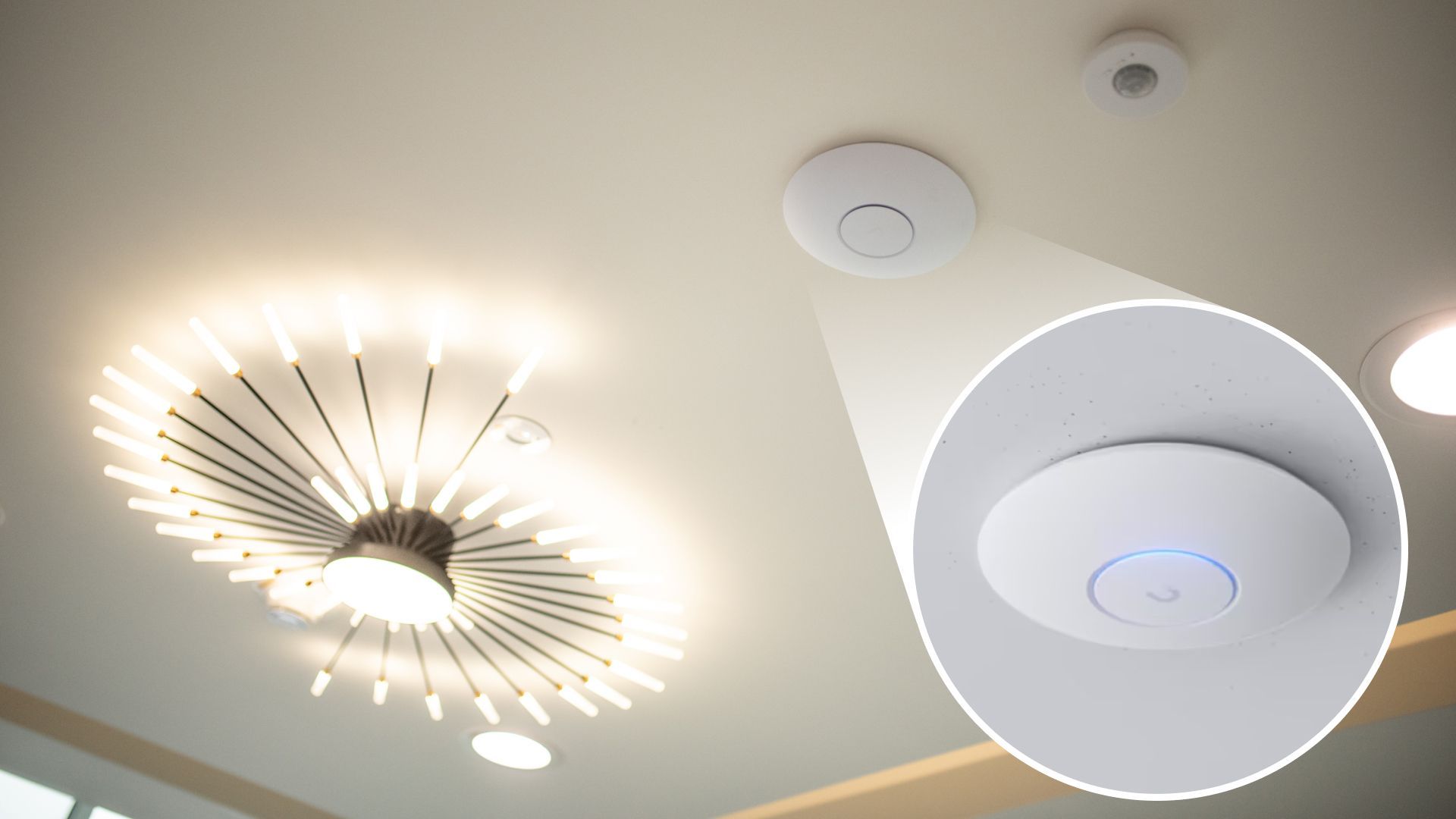
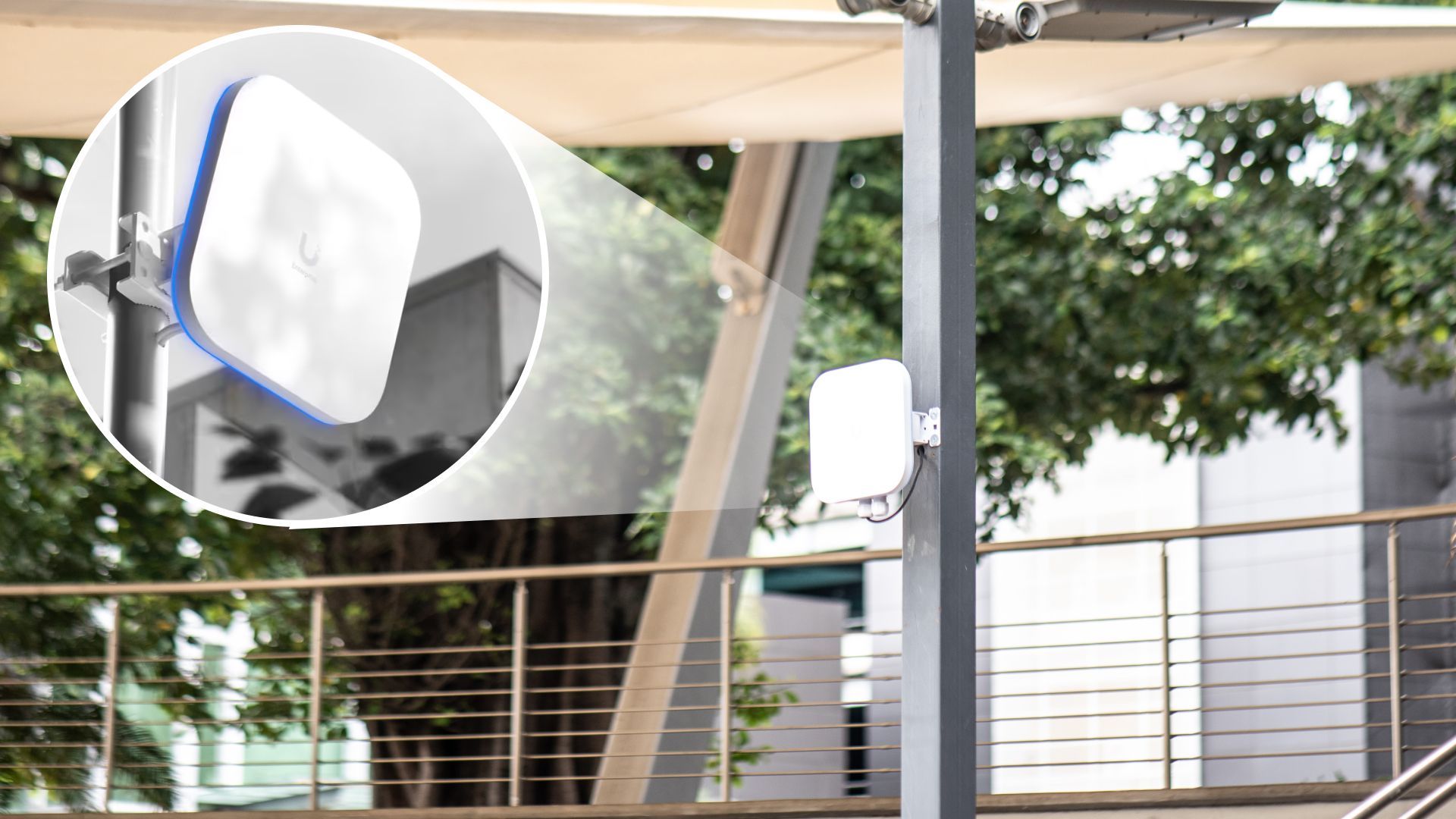
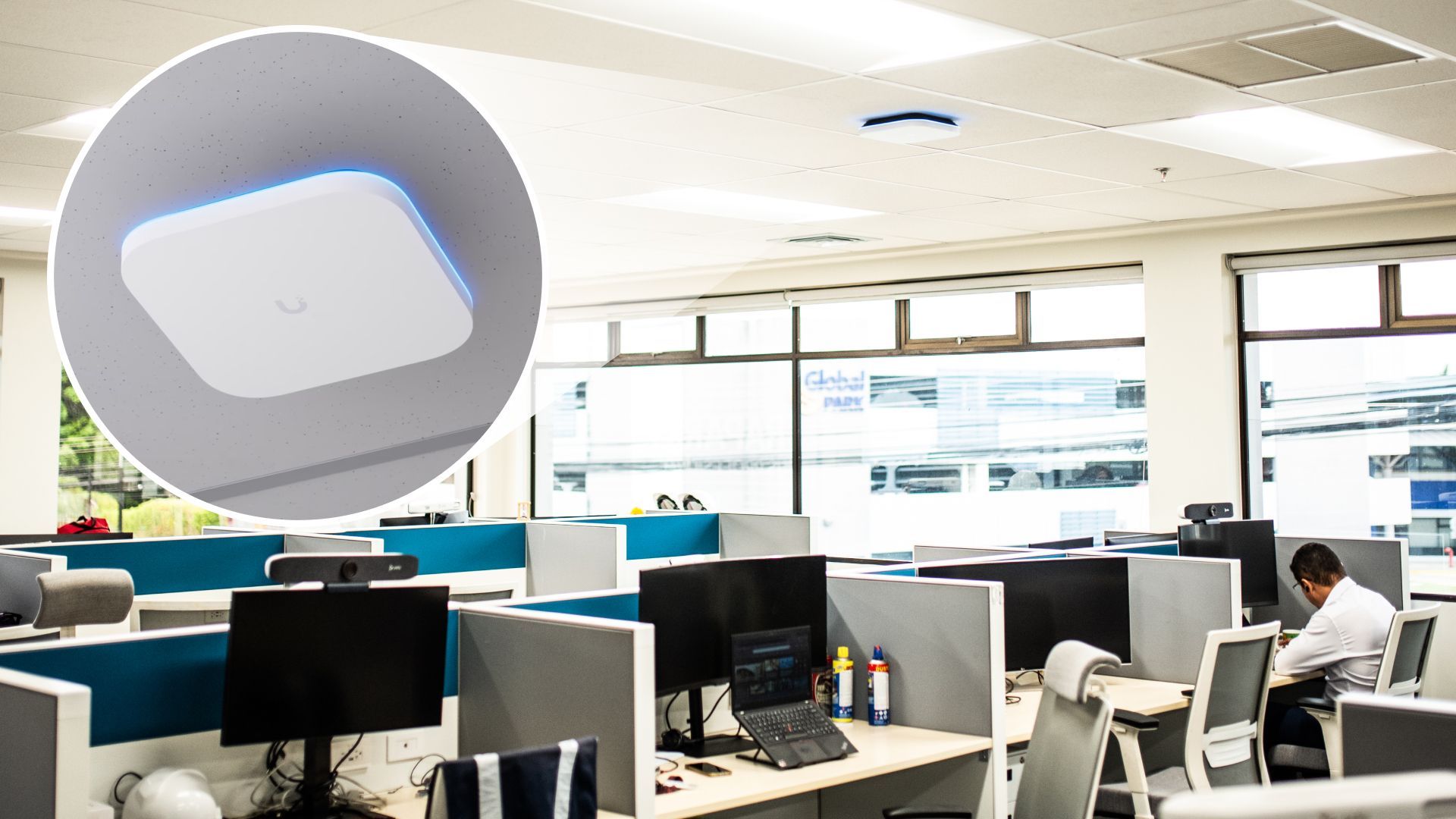
  • Wi-Fi: Over 200 UniFi Access Points deployed across the campus, including E7 Campus AP models for outdoor coverage and the transition toward Wi-Fi 7.
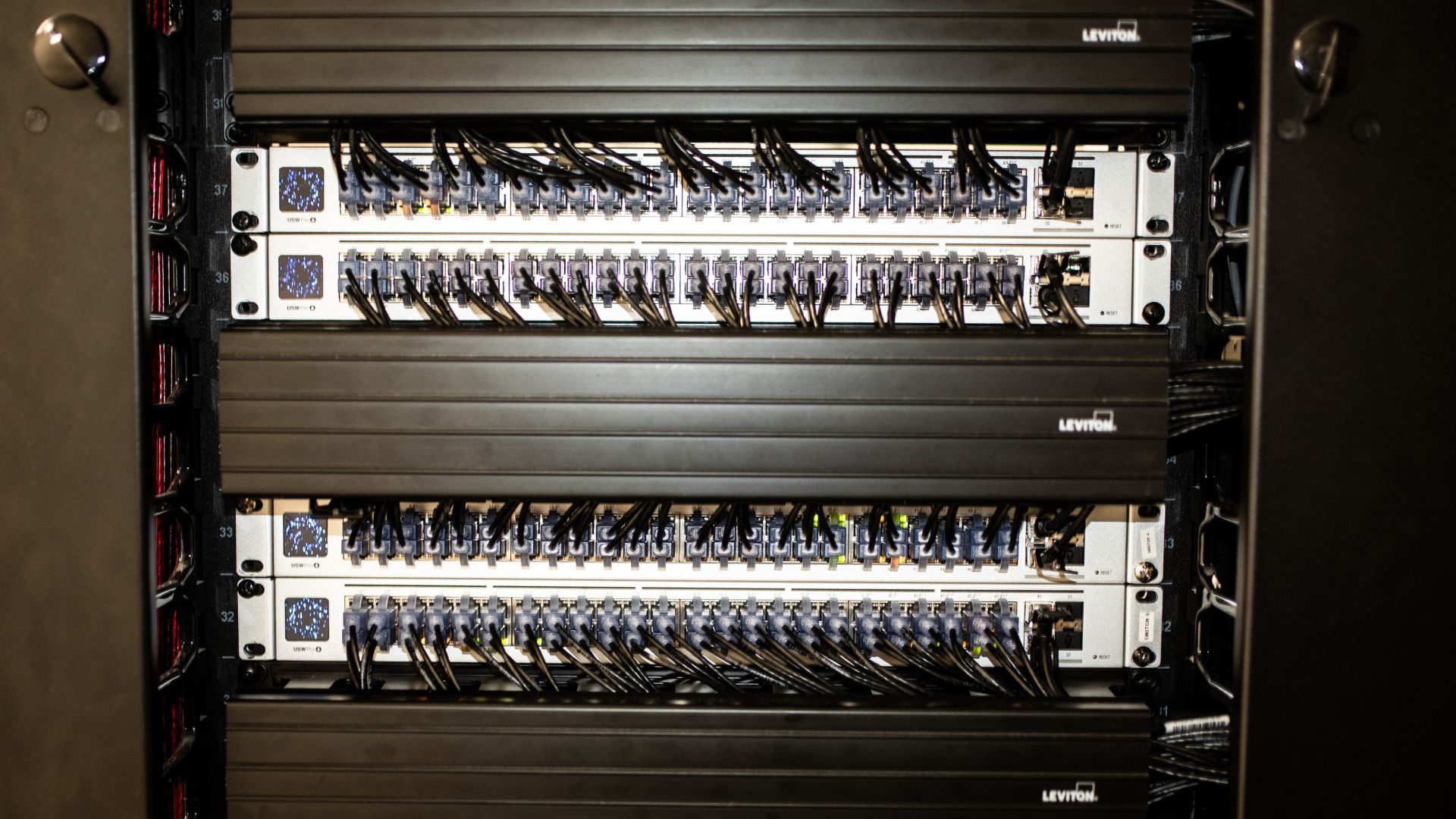
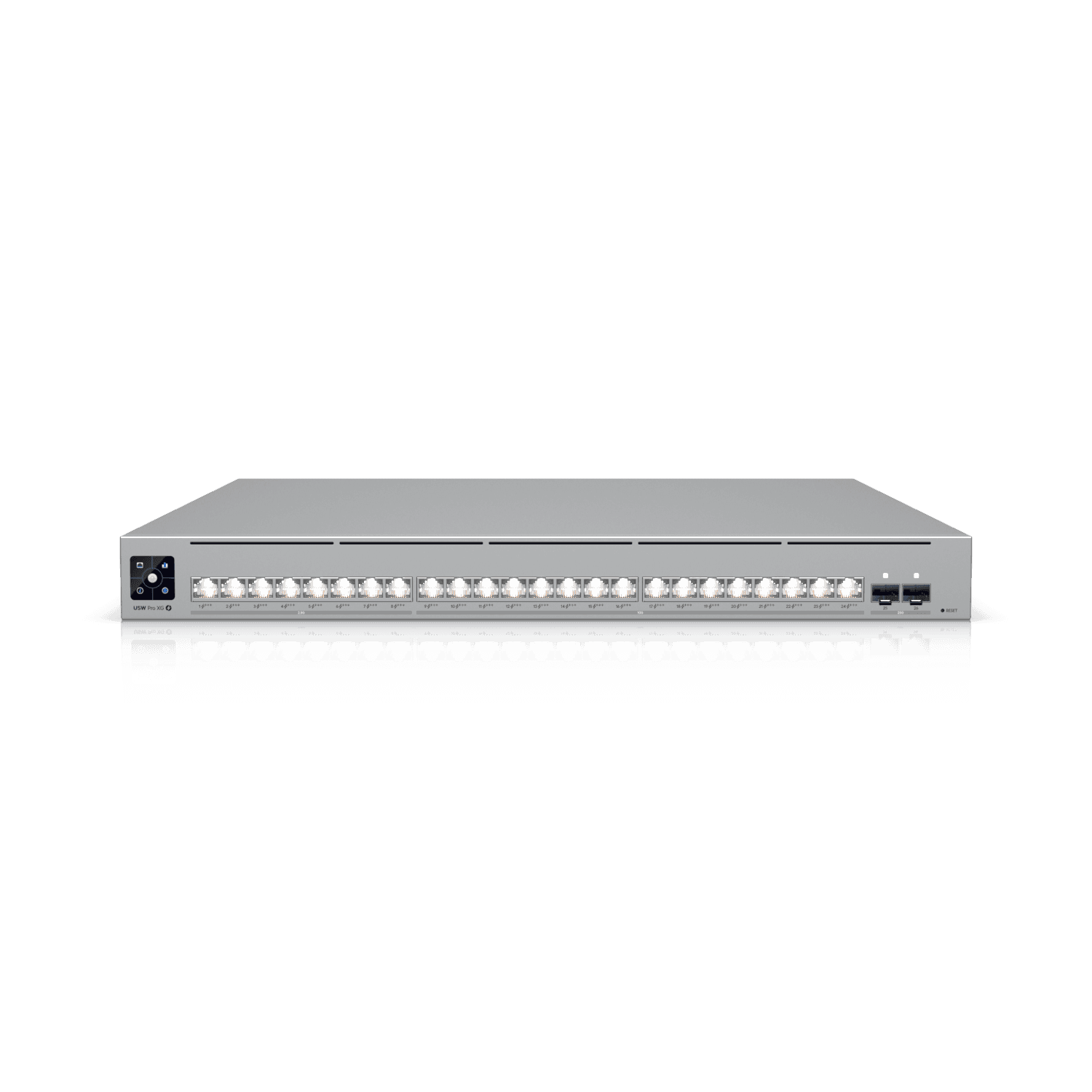
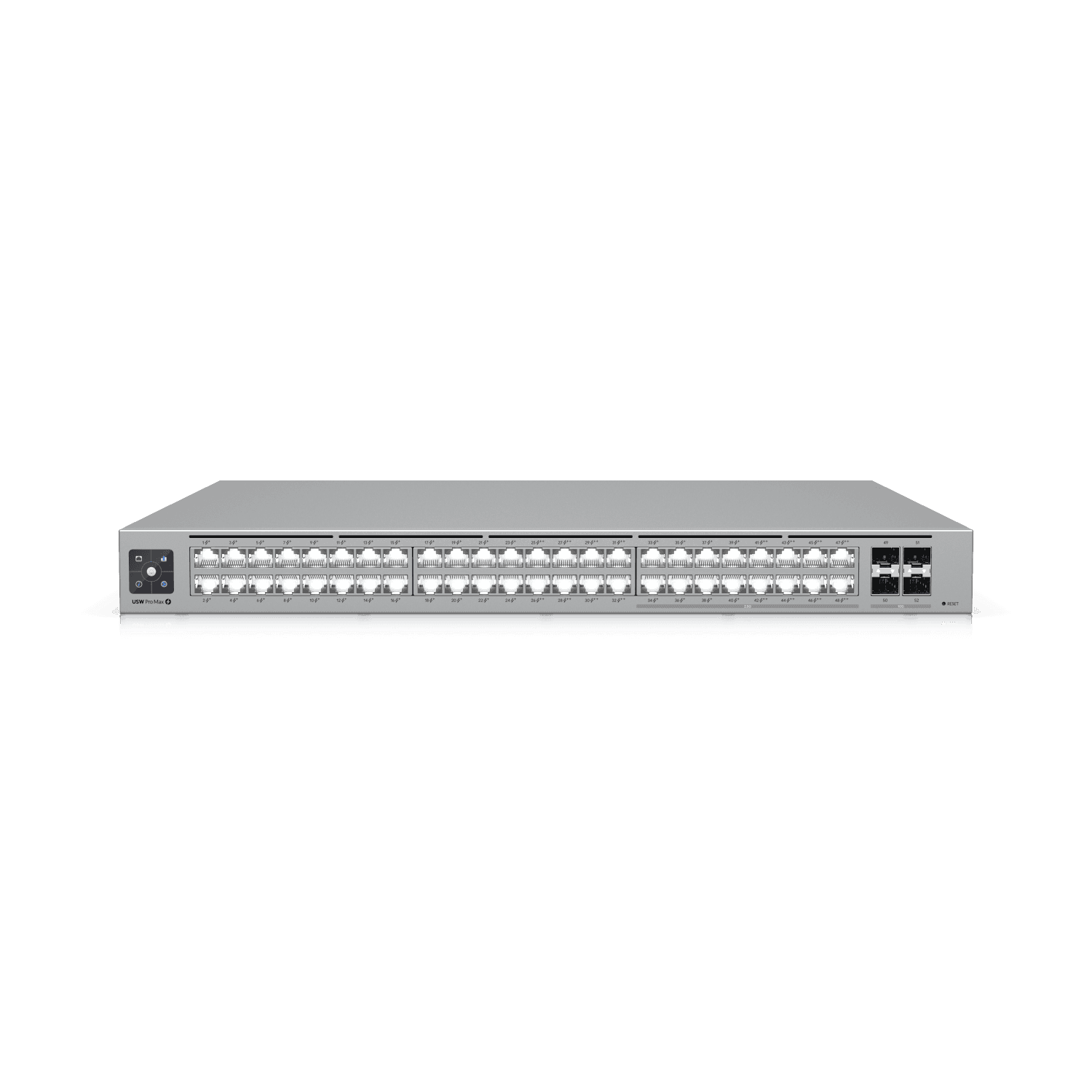
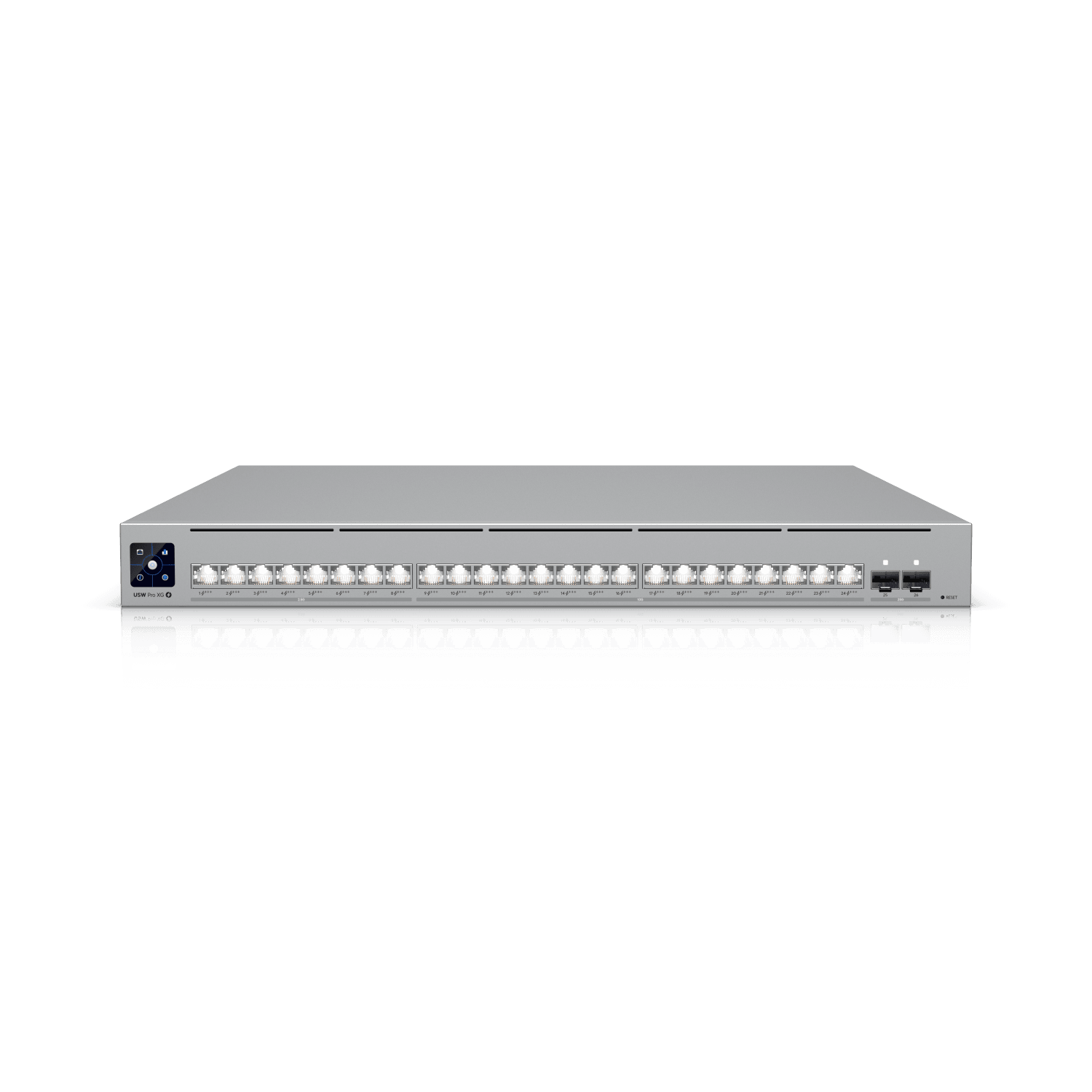
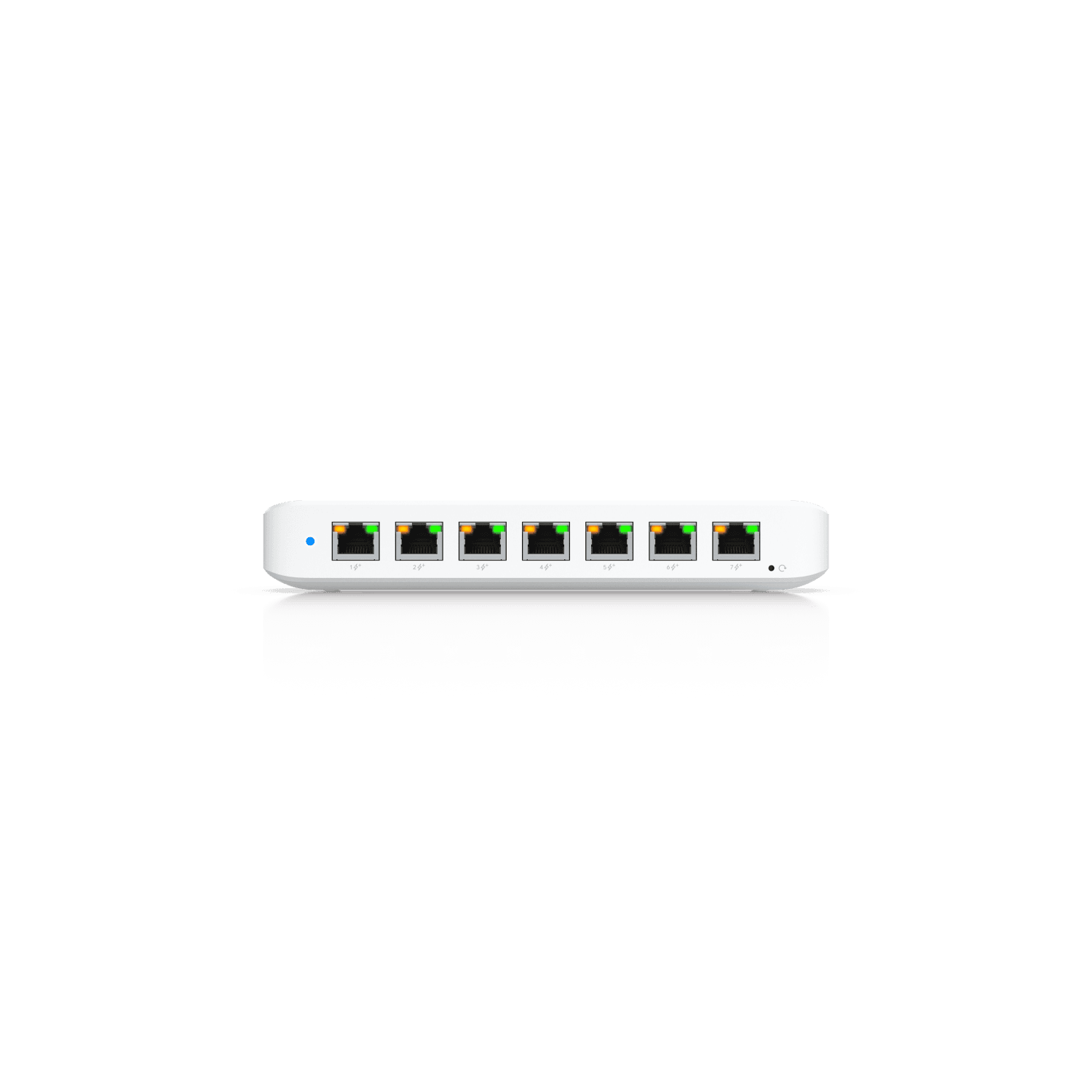
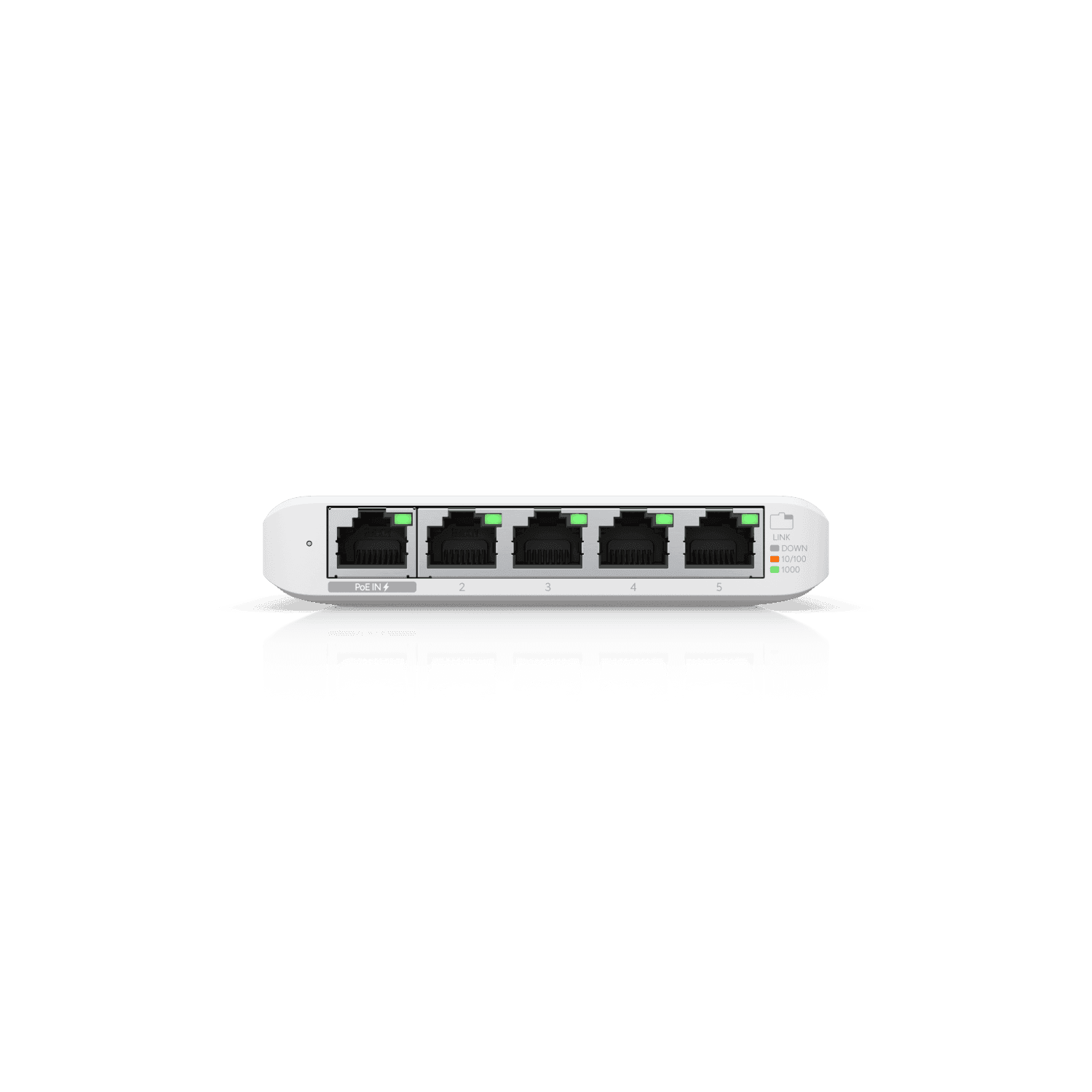
  • Switching: UniFi XG and USW series switches, along with Enterprise Aggregation devices for link consolidation, critical service support, and AV infrastructure modernization, transitioning from Third Party equipment to Enterprise switching.
  • Gateway and Firewall: EFG firewalls, UDM gateways, and CloudKey devices for network management, segmentation, and operation of Ultrapark's own UniFi networks and selected customer environments, based on individual requirements.
  • Signage: Integrated UniFi displays for digital signage, visual communications, and centralized content management across operational areas.
  • EV Charging: UniFi EV chargers supporting energy consumption monitoring, usage policies, and centralized management through a single platform.
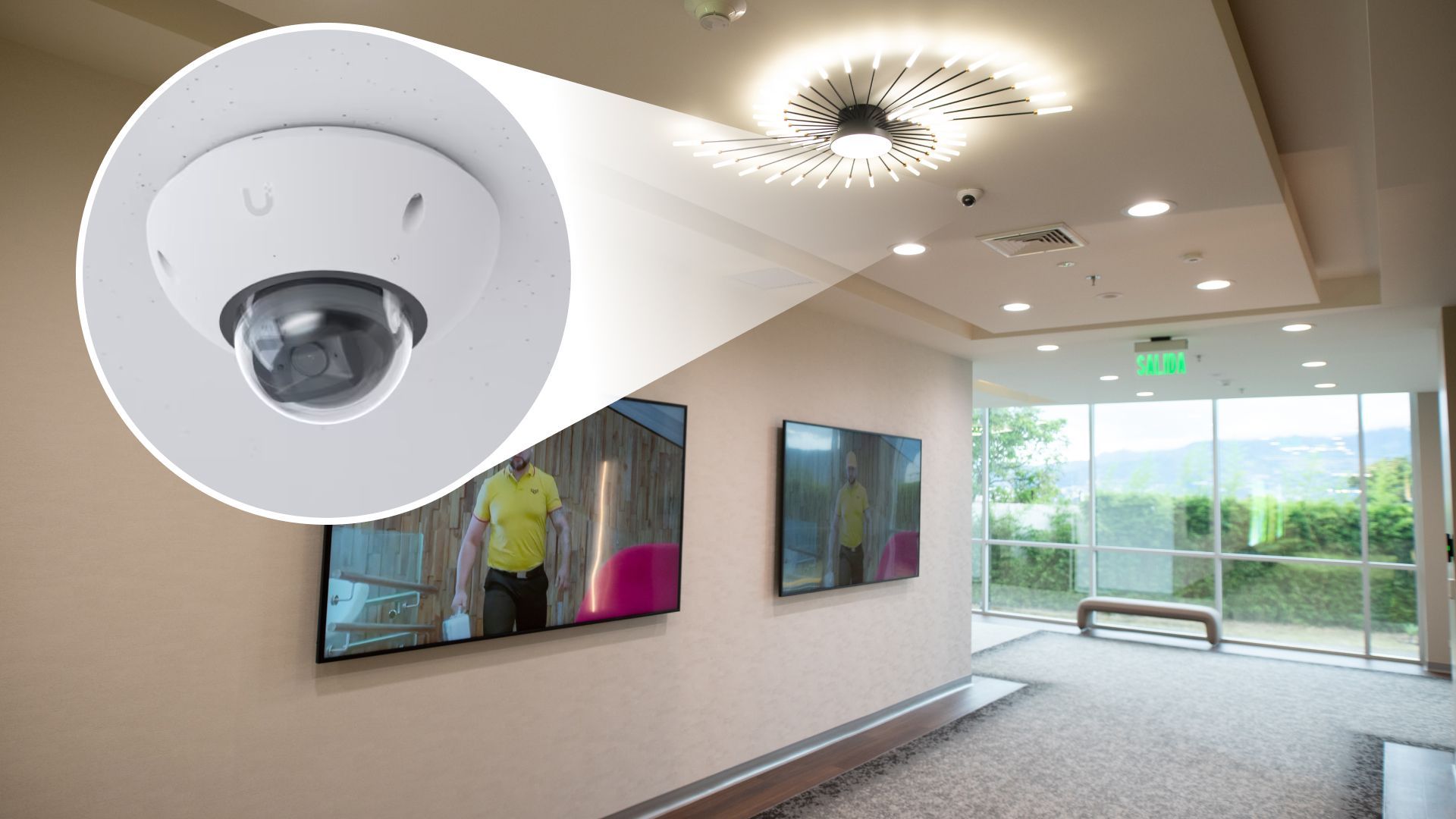
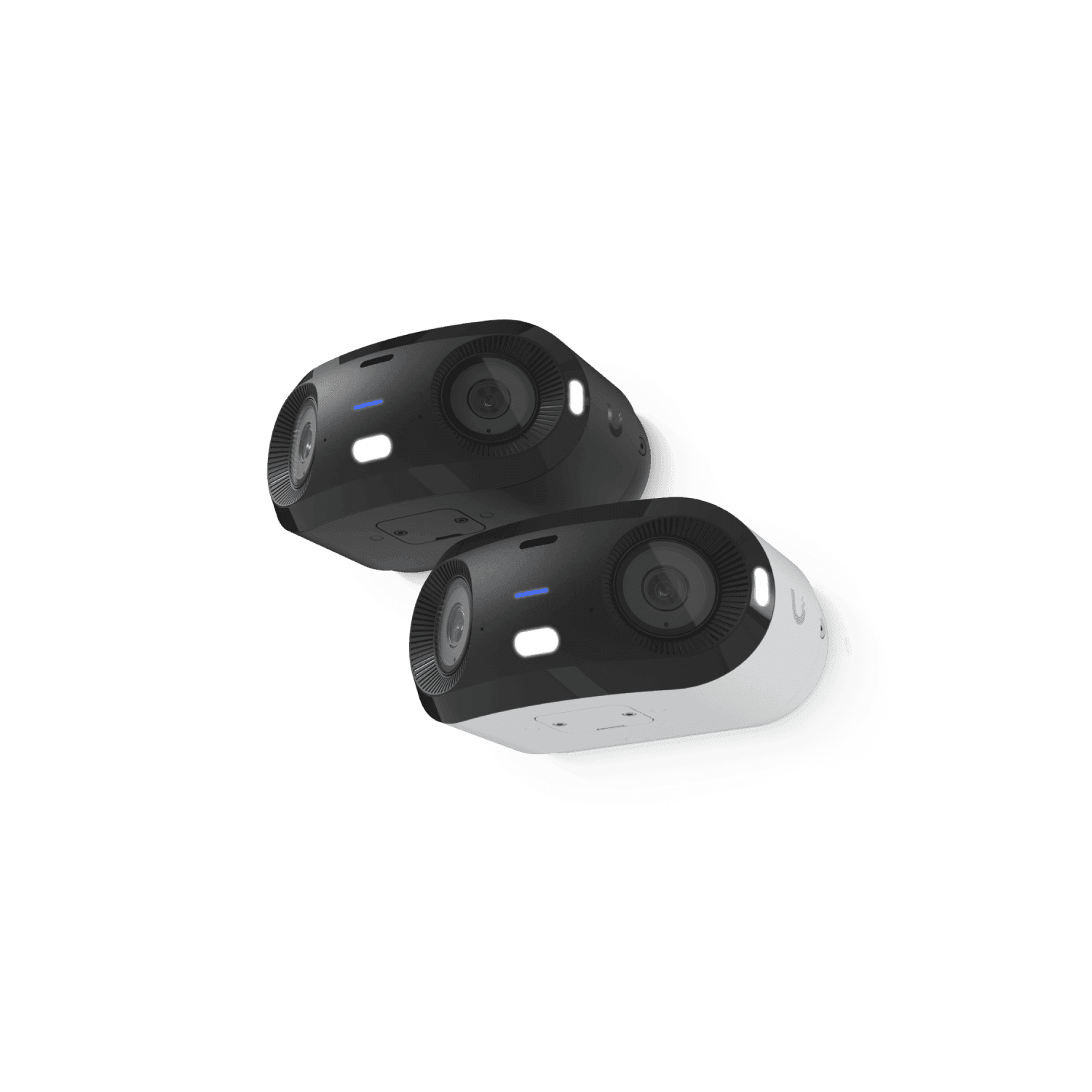
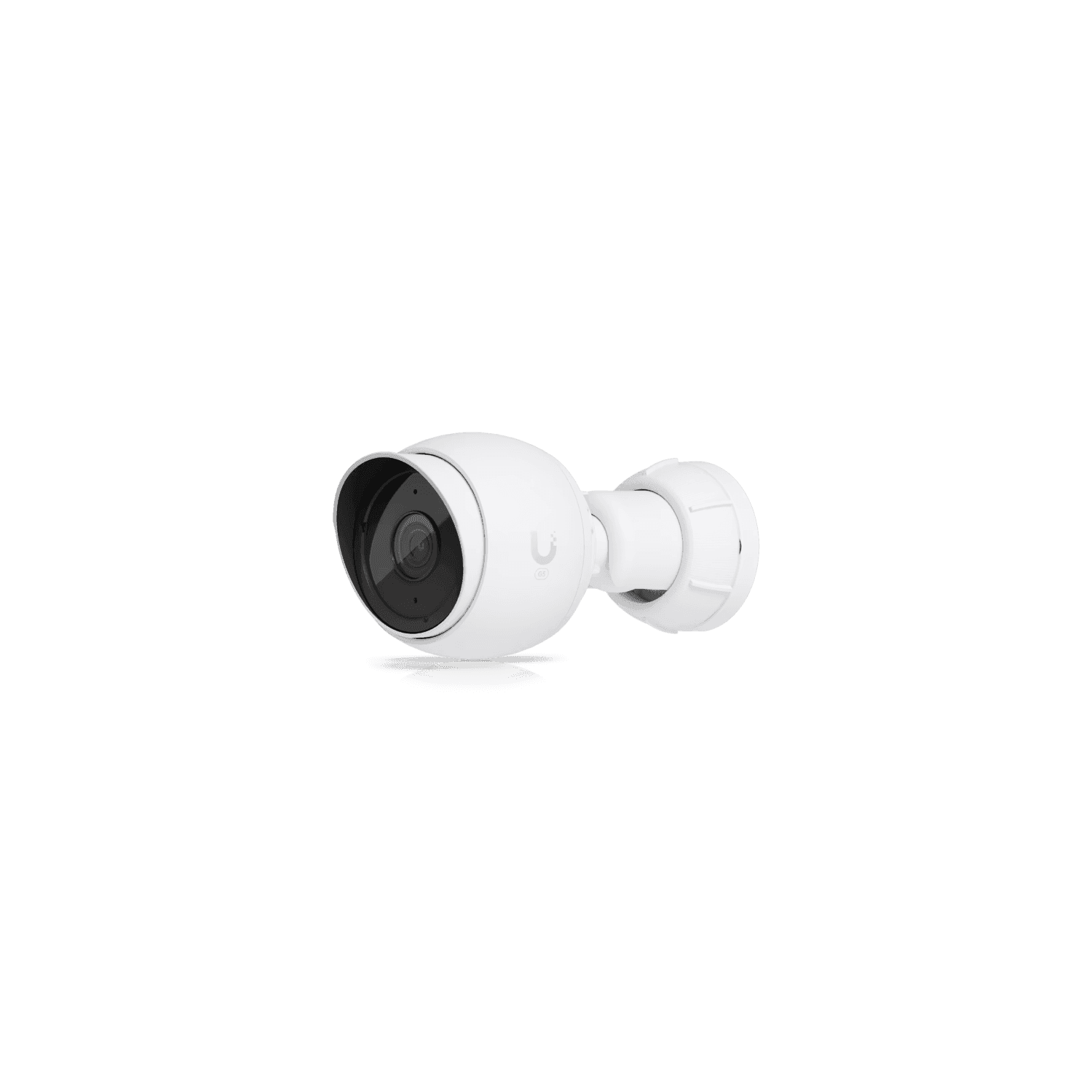
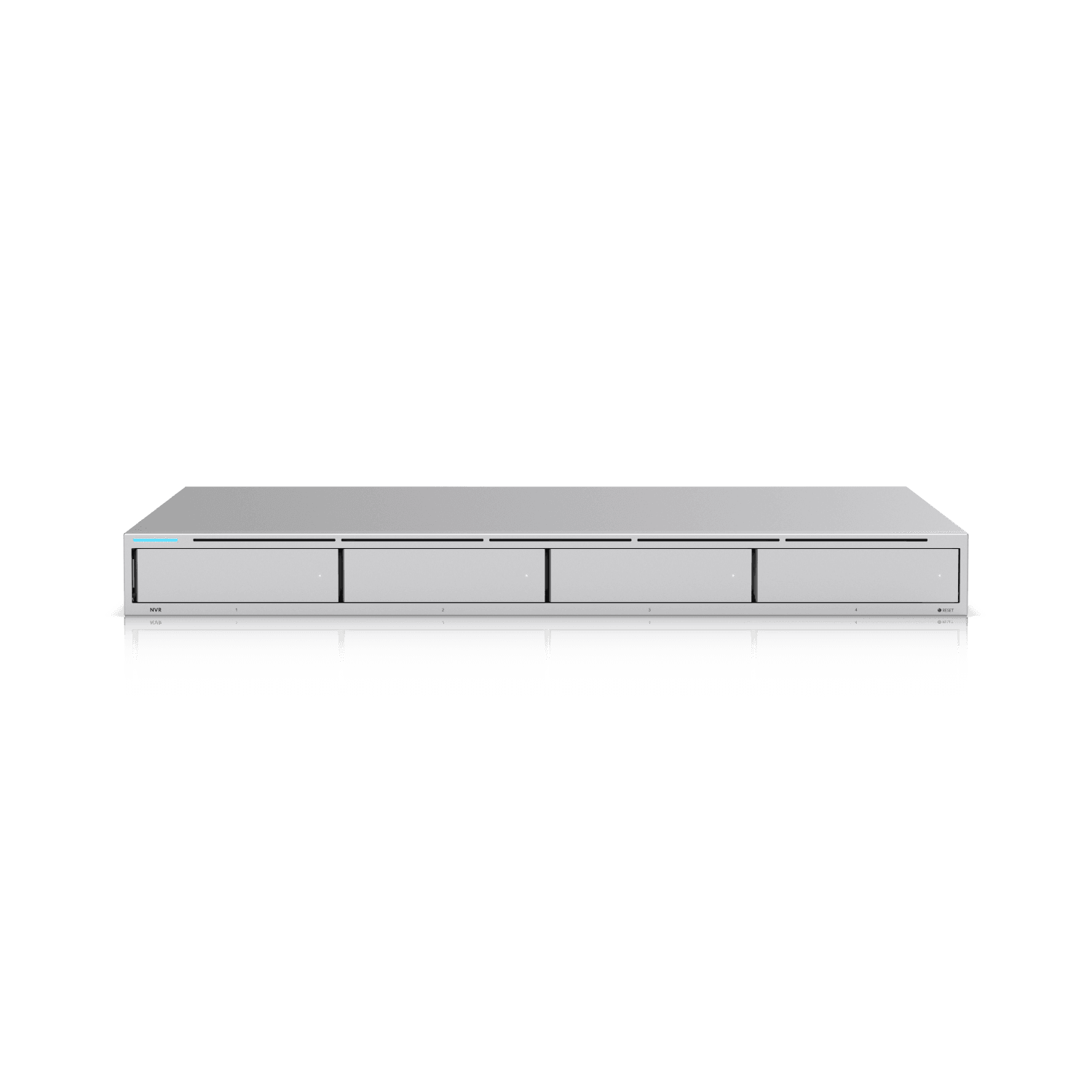
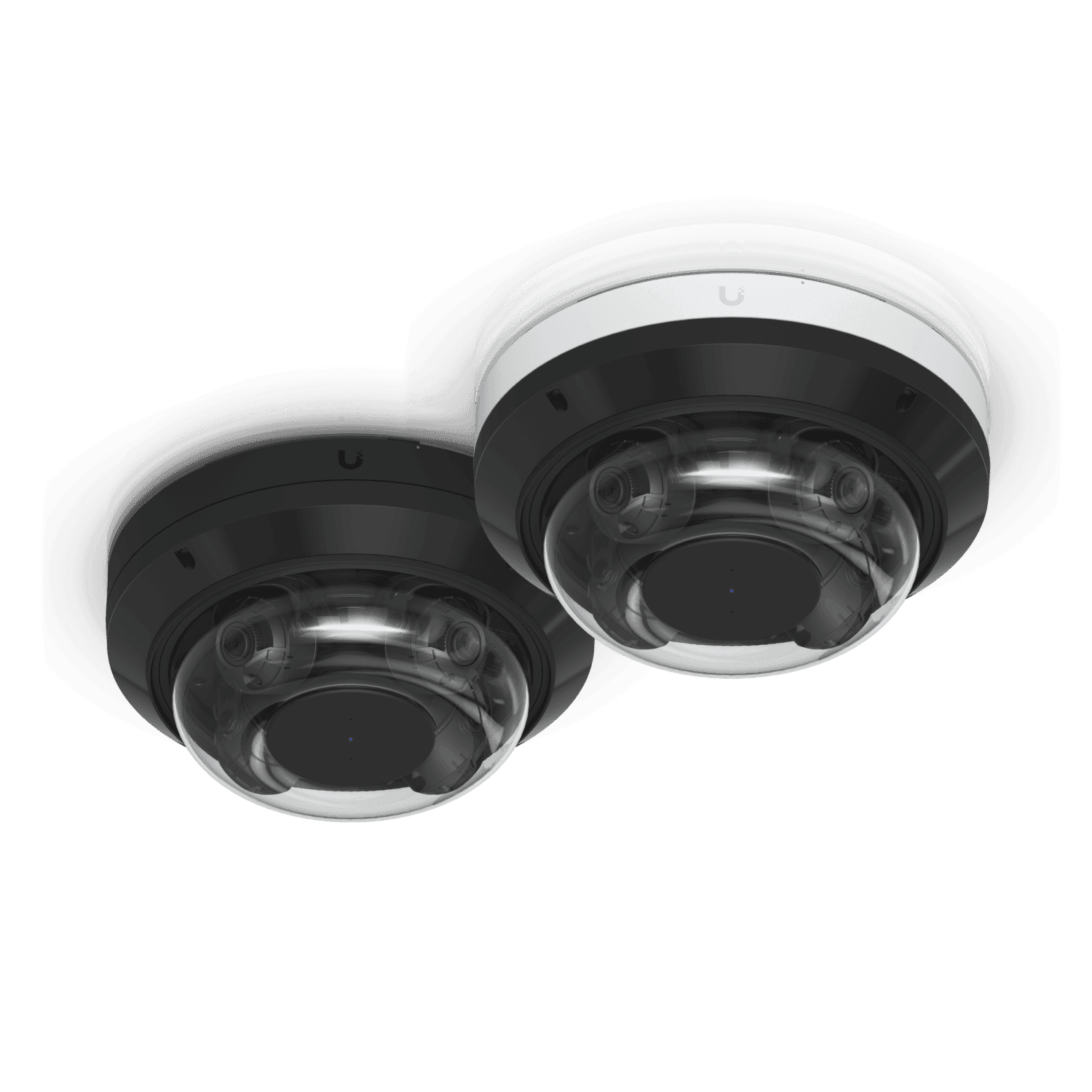
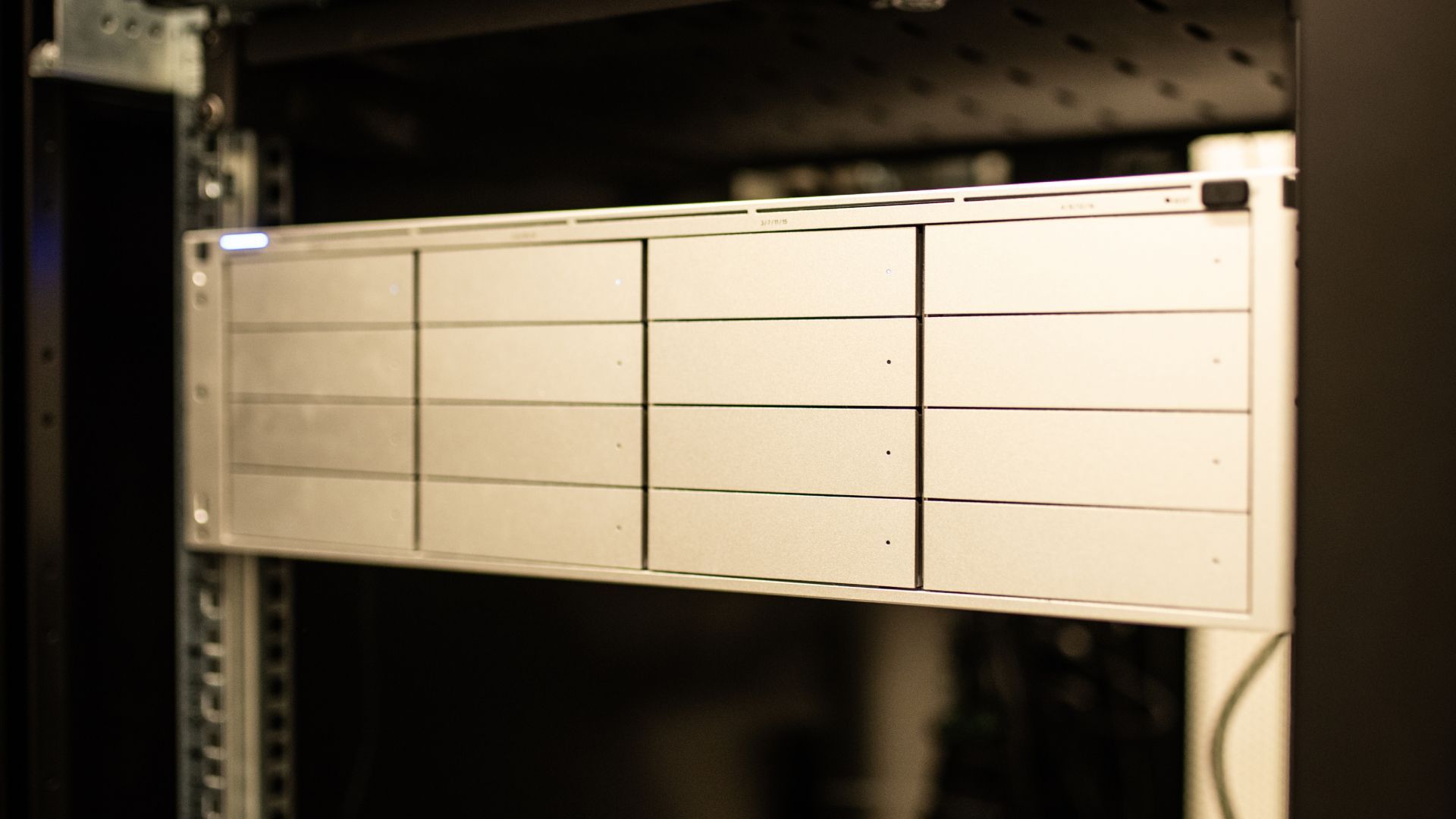
  • Video: UniFi G5 Dome cameras, NVRs, and Enterprise and Pro recording systems for video surveillance and centralized CCTV storage.
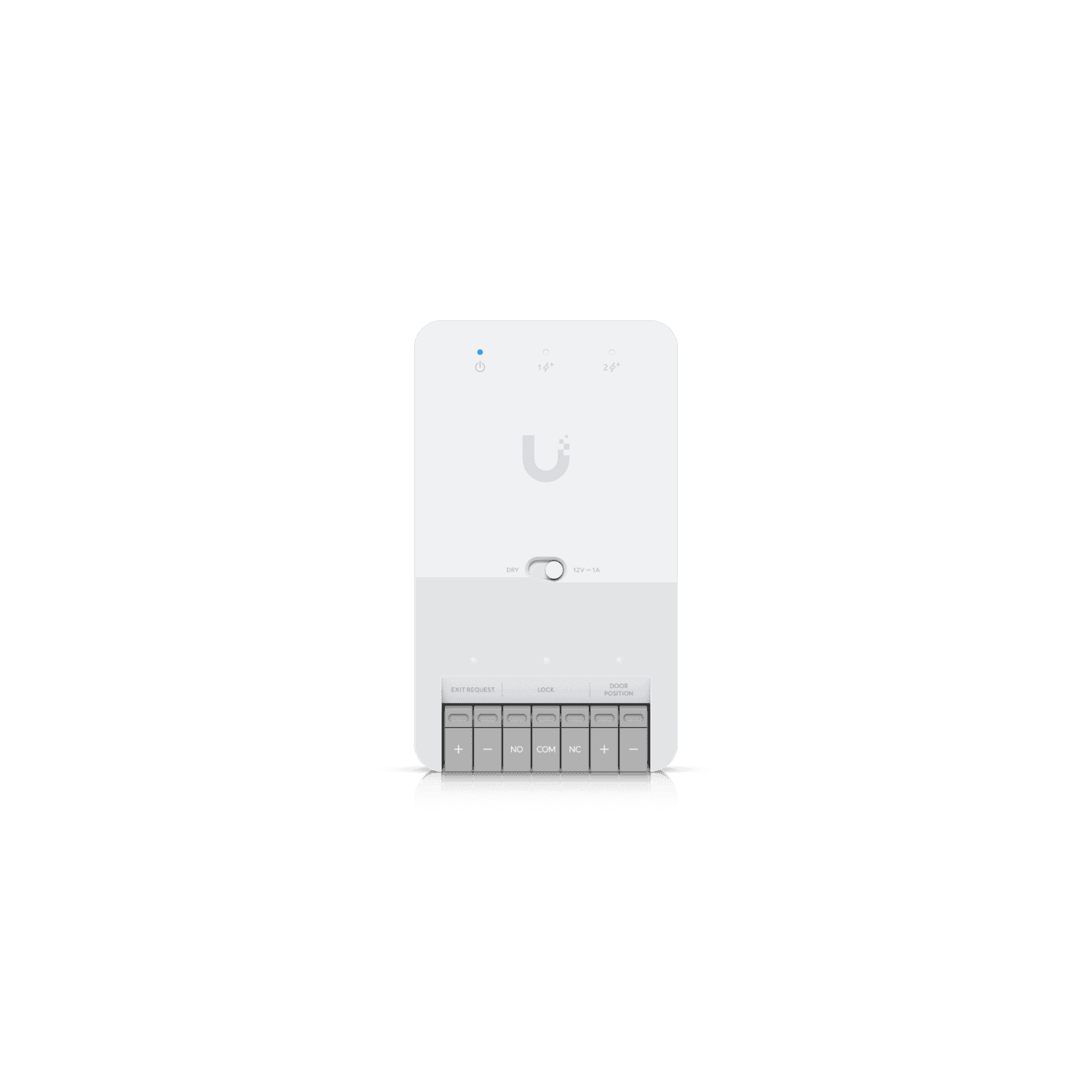
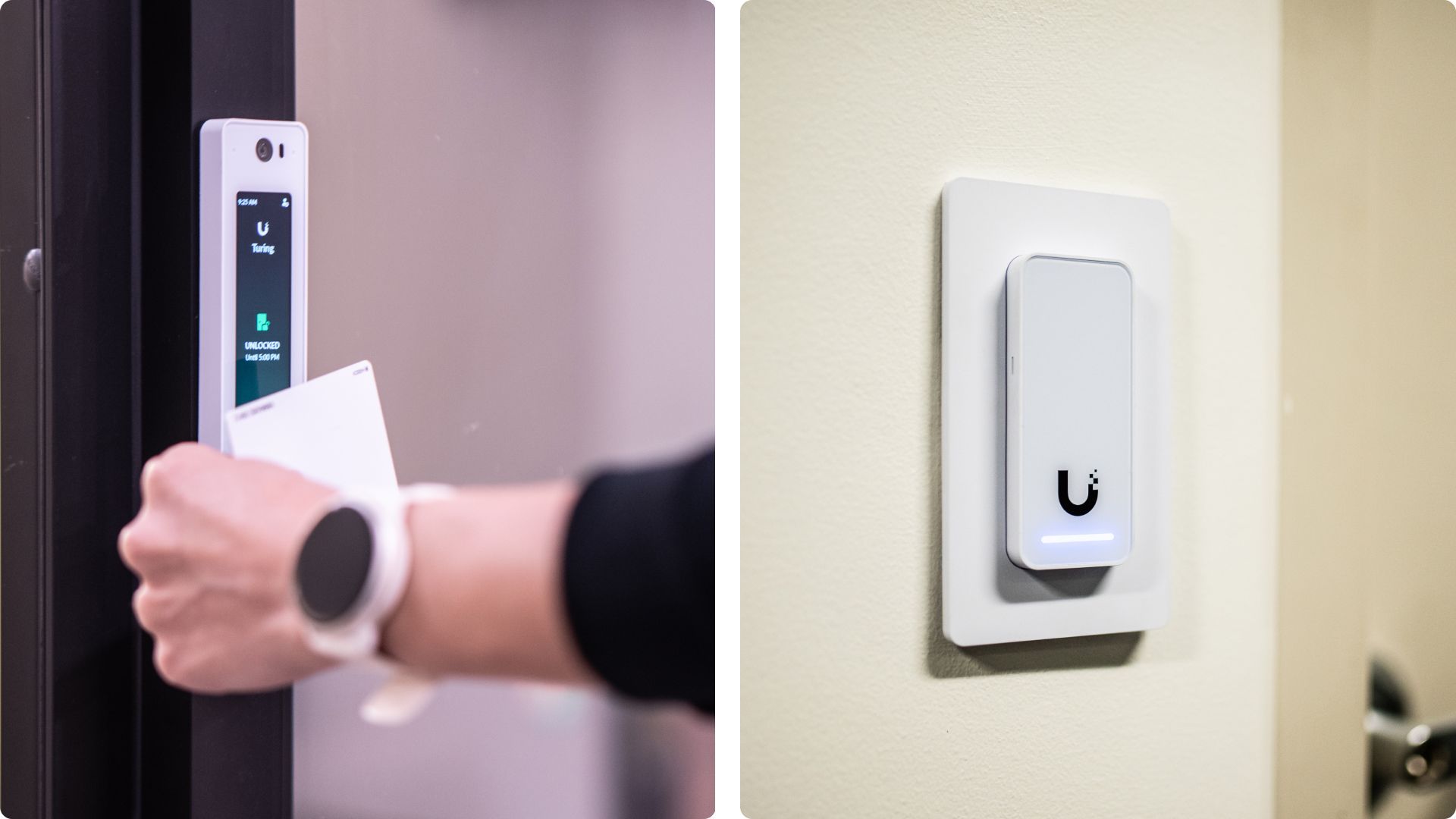
  • Access Control: UniFi Access solutions for shared areas and managed spaces, providing centralized management of access permissions and user profiles.
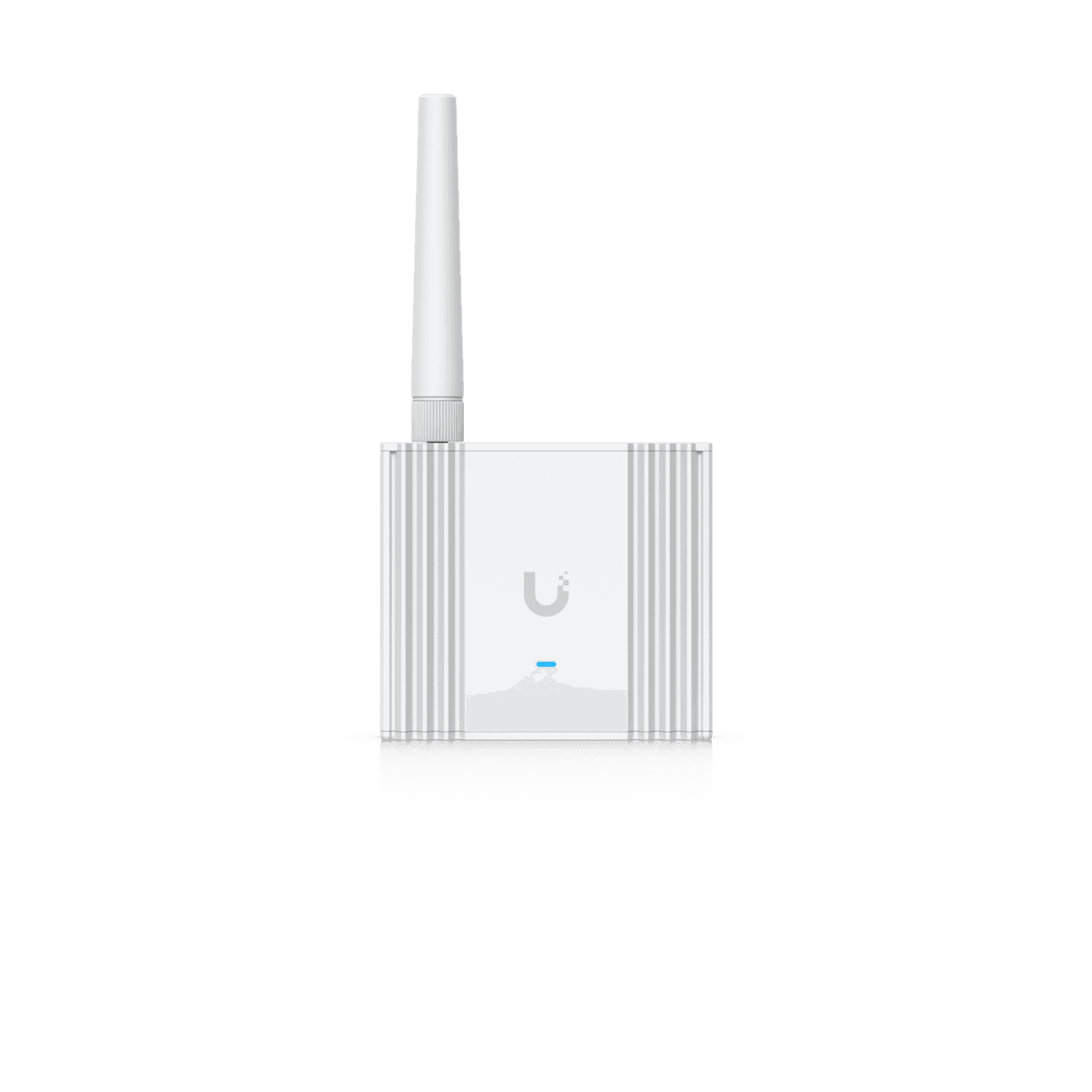
  • Power and Monitoring: UniFi PDUs, SuperLink, and UP Sense sensors for monitoring power consumption, humidity, temperature, door status, and after-hours motion.

Reasons for Selection

  • Ease of Use: Intuitive management for daily operations and technical support.
  • Rapid Response: Faster troubleshooting, monitoring, and configuration changes with reduced intervention time.
  • PoE Capabilities: Network-based power delivery for APs, cameras, access control devices, sensors, and other equipment.
  • Redundancy and Business Continuity: Infrastructure designed to support mission-critical services and remote management.
  • Multi-Factor Authentication and Access Control: Ability to manage different user profiles, customers, and shared spaces.
  • Scalability: Flexibility to expand toward Wi-Fi 7, new firewalls, sensors, AV endpoints, and additional managed services.

Implementation Process

The deployment was carried out gradually over several years, minimizing risks, maintaining business continuity, and introducing new capabilities as UniFi expanded its product portfolio. Each phase addressed campus requirements, customer needs, and Ultrapark's technological evolution alongside the brand.
  • Design: Definition of network architecture, coverage, segmentation, integration, and requirements for each building or area.
  • Procurement: Selection of UniFi equipment based on capacity, availability, cost, and compatibility.
  • Installation: Deployment of APs, switches, gateways, cameras, EV chargers, PDUs, sensors, and access control devices.
  • Deployment: Integration of system components into their respective management platforms.
  • Configuration: Setup of networks, policies, profiles, permissions, monitoring, alerts, and services for both campus infrastructure and applicable customer UniFi environments.
  • Validation: Testing of connectivity, security, visibility, remote operations, and service functionality.

Technical Challenges

Throughout the evolution of the ecosystem, several technical challenges were identified, including multicast traffic management, Shadow Mode testing, PDU outlet control, customer-based network segmentation, and audiovisual (AV) endpoint validation. These challenges are inherent to a continuously expanding architecture, where the priority has been maintaining campus operational stability while integrating new capabilities and features.

Results Achieved

  • Reduced reliance on separate platforms for managing networking, video surveillance, access control, power, and monitoring.
  • Modernized the AV infrastructure by transitioning from Netgear switching to Enterprise switching, enabling more integrated operations.
  • Consolidated multiple campus services under the UniFi platform for more centralized management and visibility.
  • Improved control over electricity consumption through UniFi EV chargers and PDUs.
  • Enhanced remote support and site maintenance capabilities.
  • Strengthened network segmentation through IPsec, SSL, CCTV, and service isolation by customer or application.

Case Study Conclusions

The UniFi deployment enabled the integration of digital signage, EV charging, firewall, switching, video surveillance, access control, and sensor solutions within a single ecosystem across multiple campus areas.

The platform provides the flexibility required to support customers with diverse technology requirements, including the management of UniFi infrastructure when included within the service scope.

Centralized infrastructure management improves response times, simplifies daily operations, and optimizes the administration of multiple services.

Furthermore, the deployed architecture positions the campus to support future expansions, new applications, and additional services as its infrastructure and technology requirements evolve.

Future Improvements and Expansion

Ultrapark's technology roadmap focuses on continuing the evolution achieved alongside UniFi over recent years. Upcoming initiatives include transitioning to Wi-Fi 7, gradually migrating from UDM gateways to dedicated firewalls, expanding AV endpoint testing, deploying additional monitoring sensors, and strengthening remote management of mission-critical services.

These initiatives will help keep the campus infrastructure aligned with the evolving UniFi ecosystem, introducing new technological capabilities while supporting the campus's operational requirements and future growth.

Start Your UniFi Journey

Design Center

Simulate a complete UniFi system with our powerful visualization and planning tool.

Experts

Request a meeting with expert UniFi Solutions Architects.