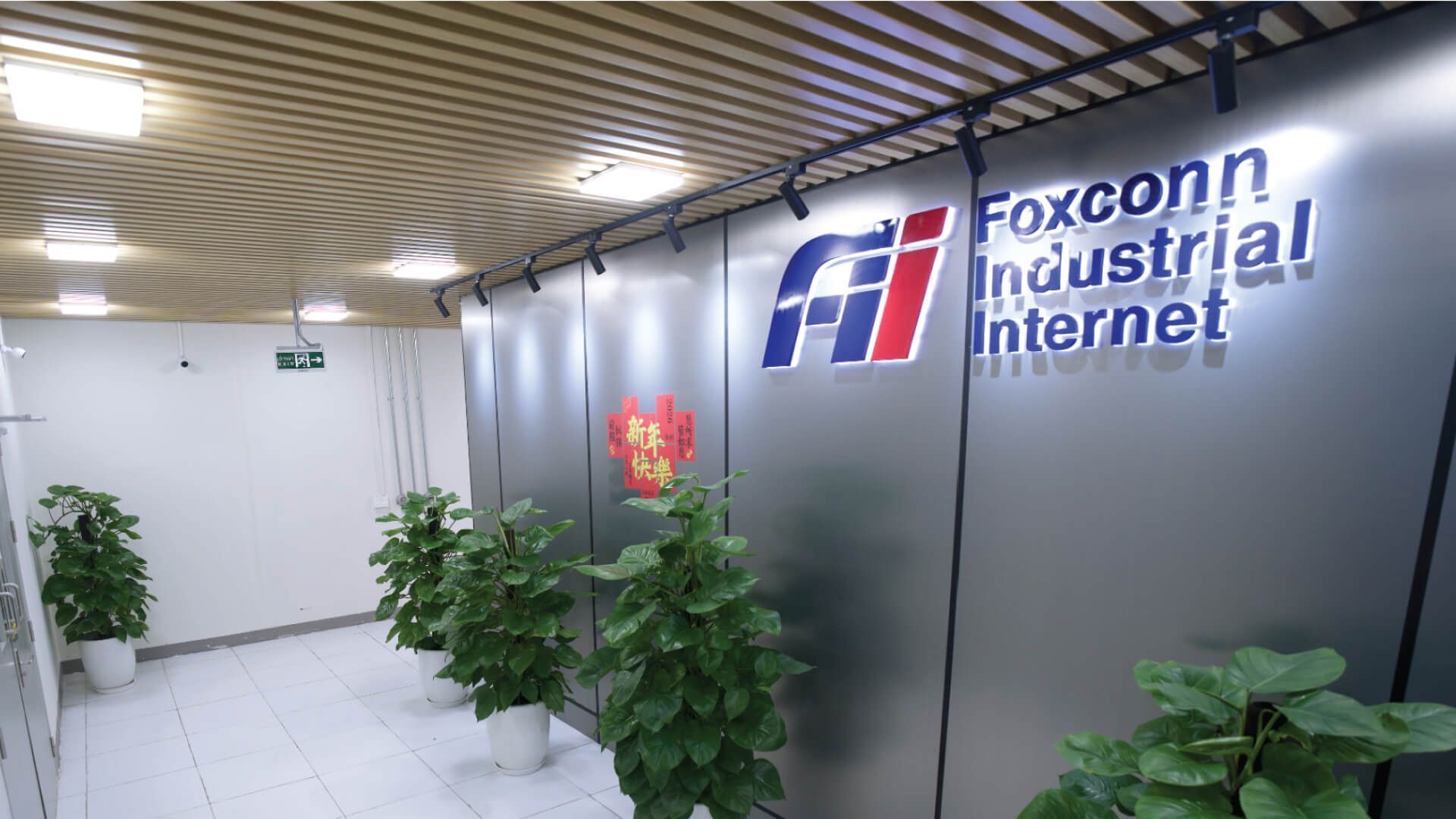
Foxconn Vietnam Adopts UniFi for Campus Networking & Security

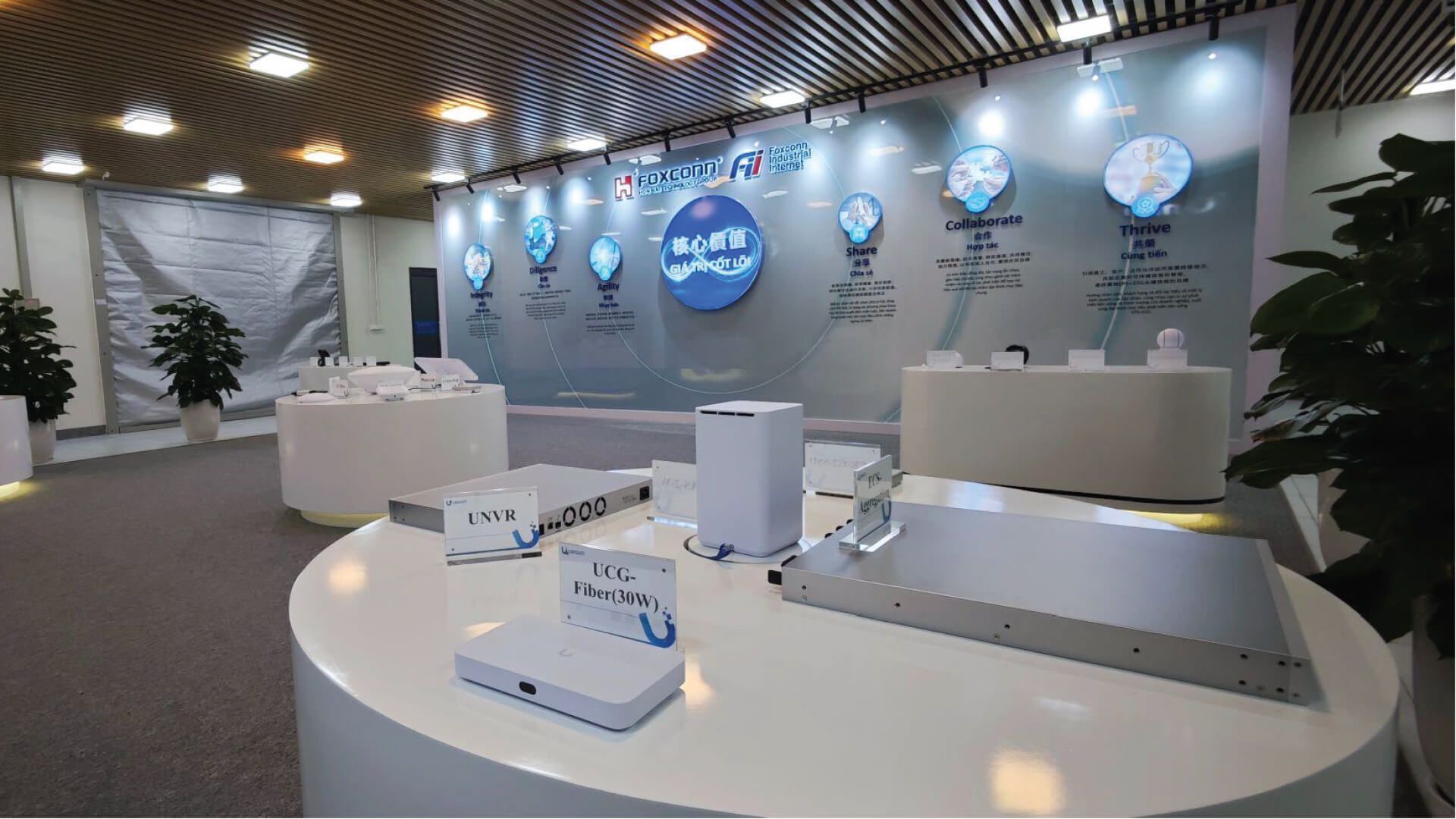
Built on UniFi’s high-availability enterprise campus architecture across manufacturing and office environments, Foxconn Industrial Internet Vietnam (Fii Vietnam) modernized its legacy network and physical security systems—creating a future-ready, reliable blueprint for future sites while reducing costs and eliminating licensing fees.
 
81,000 m²Campus-wide network coverage on hi-capacity, HA architecture
140+ switchesreplacing legacy enterprise access and distribution switches
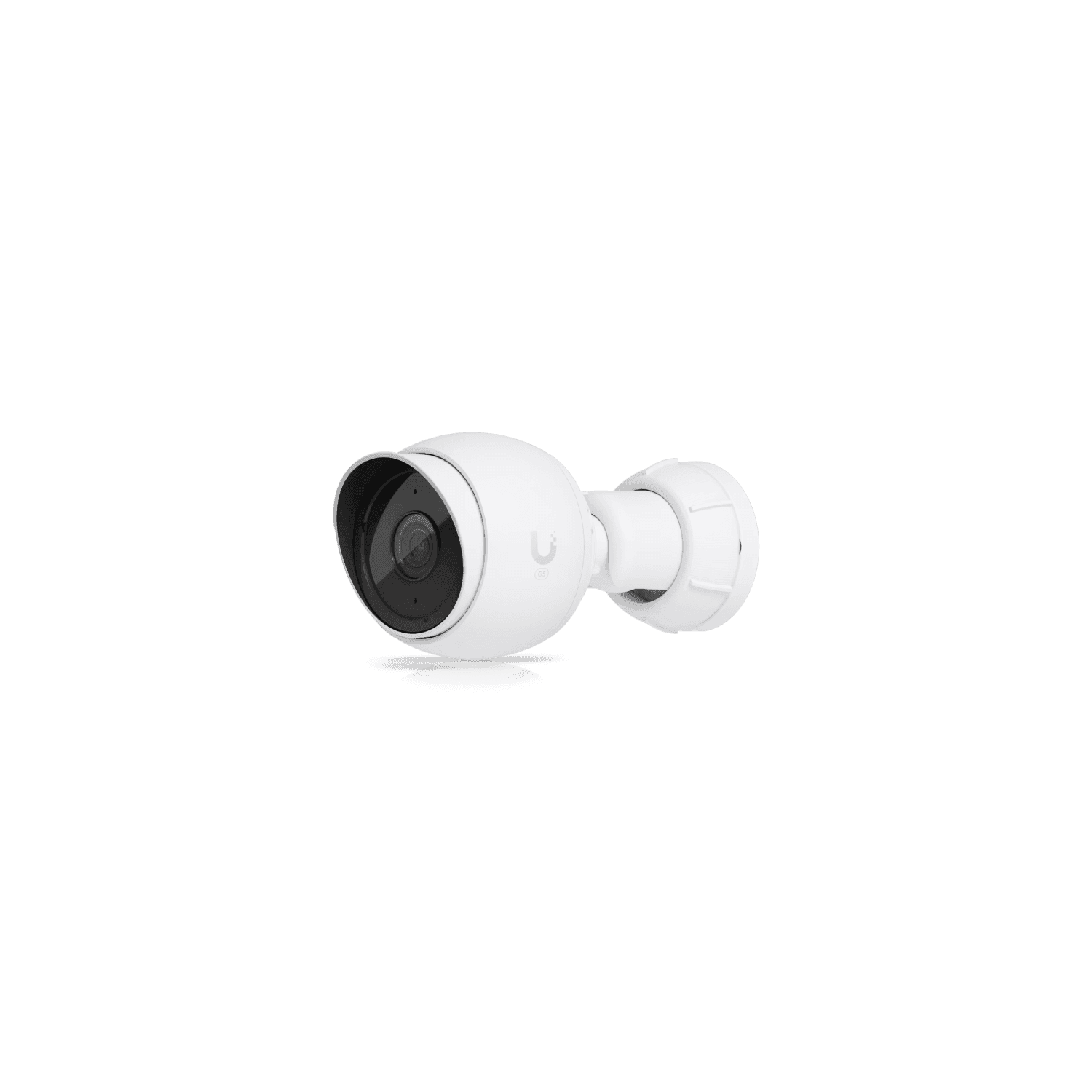
765 surveillance cameraswith 70+ days of total video retention
License freewith 25G backbone capacity upgrade

Introduction

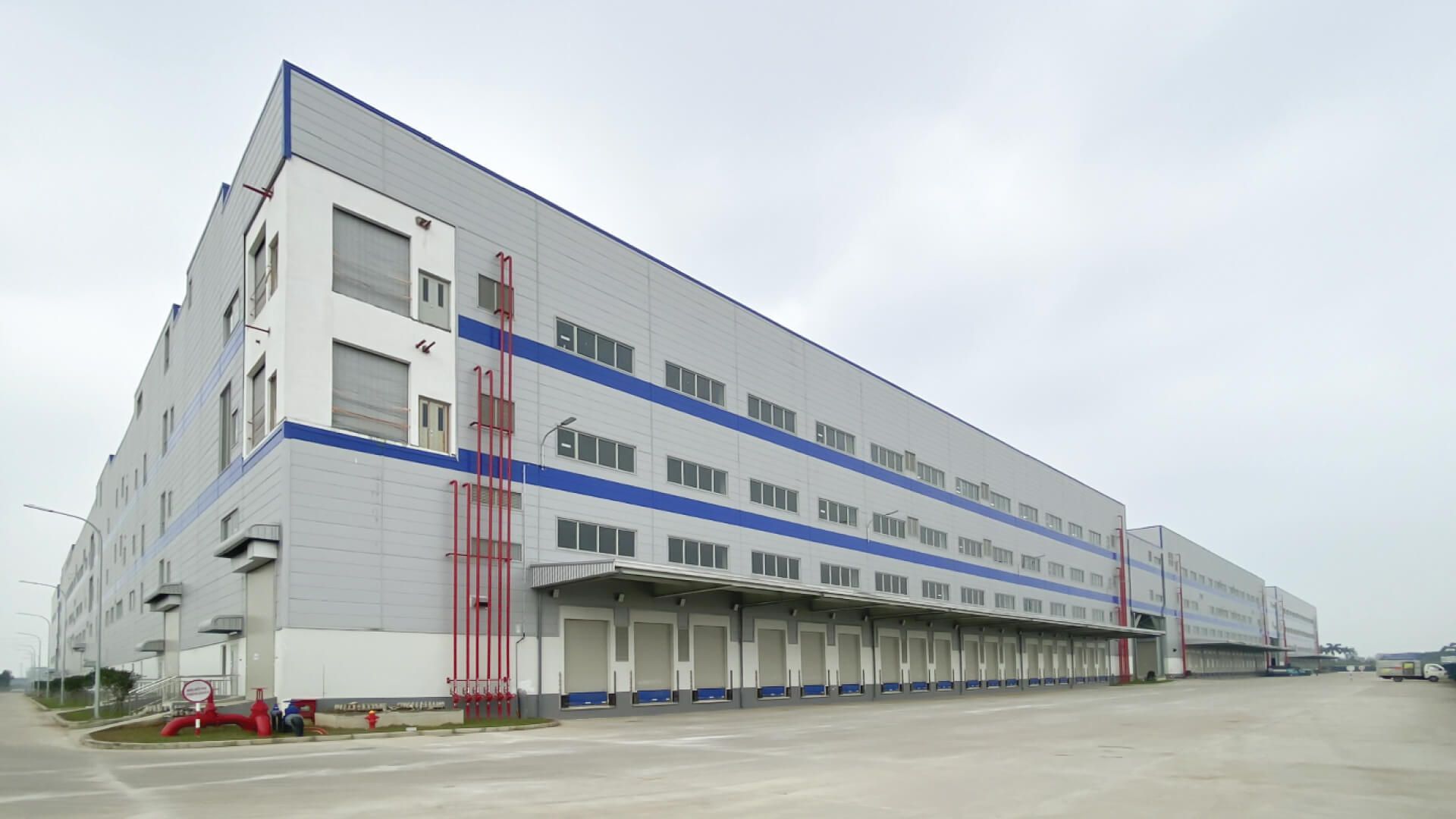
Foxconn (Fii-Vietnam) operates a large-scale manufacturing campus supporting high-density factory production lines, logistics operations, and administrative offices. As the campus expanded to include a 81,000 m² manufacturing facility (B13) and a multi-purpose complex (B12), the existing network infrastructure struggled to scale.

The existing networking deployment—built on a mix of multi-vendor legacy brands—suffered from operational complexity, recurring licensing costs, and limited flexibility during expansion. At critical sites with ongoing factory production lines, as well as security operations and office workflows running 24×7, downtime was not an option.

Therefore, Foxconn required a standardized, high-availability future proofed campus design that could scale effortlessly, simplify operations, and serve as the blueprint for future facilities — all while reducing costs.
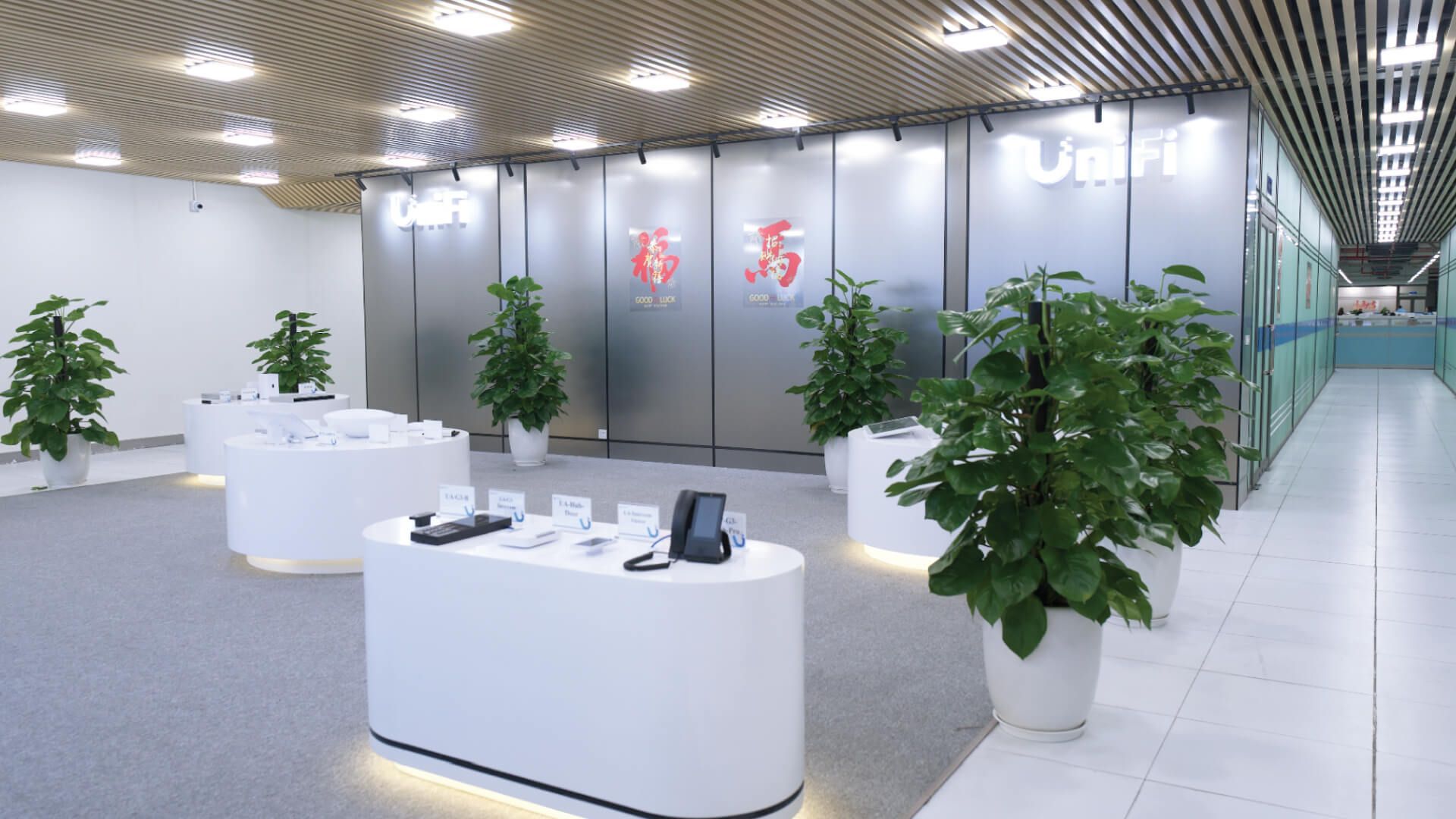
Business Requirements

Campus-Wide High Availability: Eliminate single points of failure across routing, switching, uplinks, and power.

Operational Simplicity at Scale: Centralize management of networking and surveillance with consistent policies and visibility.

Standardization & Replication: Establish a repeatable blueprint with HA architecture that could be deployed building-by-building, site-by-site — at scale, reliably, and “futureproofed”

Why UniFi Enterprise

UniFi Enterprise was selected to replace the legacy multi-vendor environment based on:

License-Free Enterprise Platform: No per-device or feature licensing, eliminating long-term operational costs with hardware costs at a fraction of price of competing brands

Layered High-Availability Design: Shadow Mode gateways, MC-LAG aggregation, and dual-homed switching from core to distribution and access layers.

Unified Management Plane: Networking and surveillance managed through UniFi Site Manager, simplifying NOC requirements for admin teams.

Performance Headroom for Growth: 25G switching backbone and PoE across the access layer to support future expansion.

Deployment Highlights

Core — Redundant Routing Without Licensing or Complexity

The campus core is built on dual UniFi Enterprise Fortress Gateways operating in Shadow Mode (active/passive) with independent power feeds and hot-swap PSUs.

Why it Mattered

  • Eliminated single points of failure at the routing layer
  • Enabled maintenance without production downtime
  • Replaced licensed enterprise firewall platforms with a license-free alternative

Key Capabilities

  • Sub-second failover with no client re-authentication
  • Multi-WAN connectivity
  • IPS enabled at up to 12.5 Gbps

Aggregation: MC-LAG for Core-Level Redundancy & Load-Balancing

The distribution layer was standardized on ECS-Aggregation switch pairs using MC-LAG, replacing costly enterprise grade switches from the legacy brands.

Why it Mattered

  • Achieved chassis- and link-level redundancy without proprietary stacking or additional licenses.
  • Increased backbone capacity while reducing total cost of ownership.

Key Capabilities

  • 25G uplinks to access switches
  • Cross-chassis LACP for deterministic failover & load-balancing
  • No recurring licensing costs

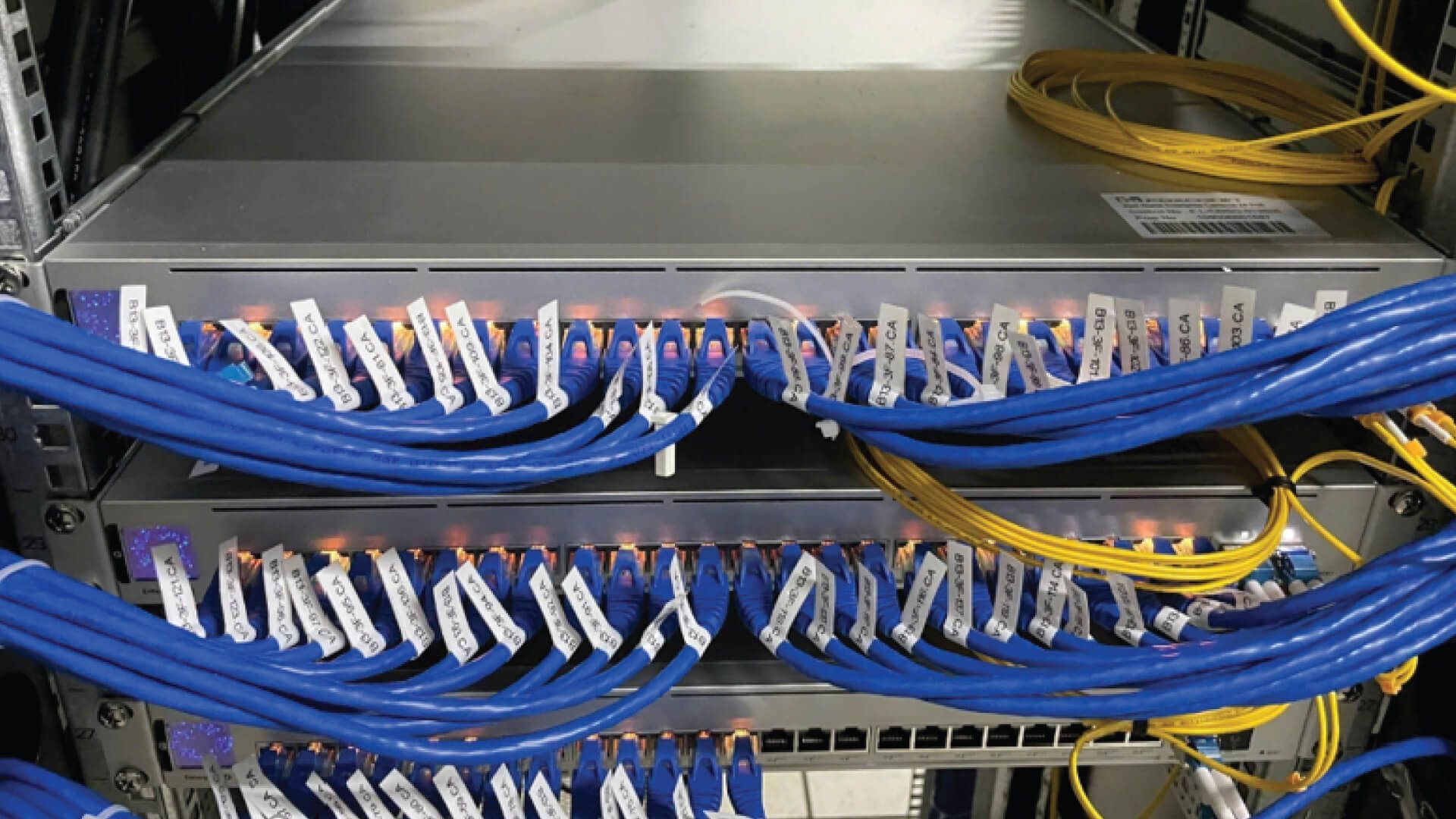
Access Layer: Standardized, Dual-Homed PoE at Scale

Access switching was standardized on ECS-48-PoE and ECS-24-PoE, replacing legacy 24-port and 48-port access switches across factory production and office environments.

Deployment Scope

  • Building B13 (Production): 56 switches supporting 900+ devices
  • Building B12 (Office): 25 switches supporting office users and VoIP

Why it Mattered

  • Full 10 GbE RJ45 access ports with 25G uplinks
  • Dual-homed connections to aggregation for continuous forwarding
  • Templated VLAN and ACL profiles enabled rapid, repeatable rollouts

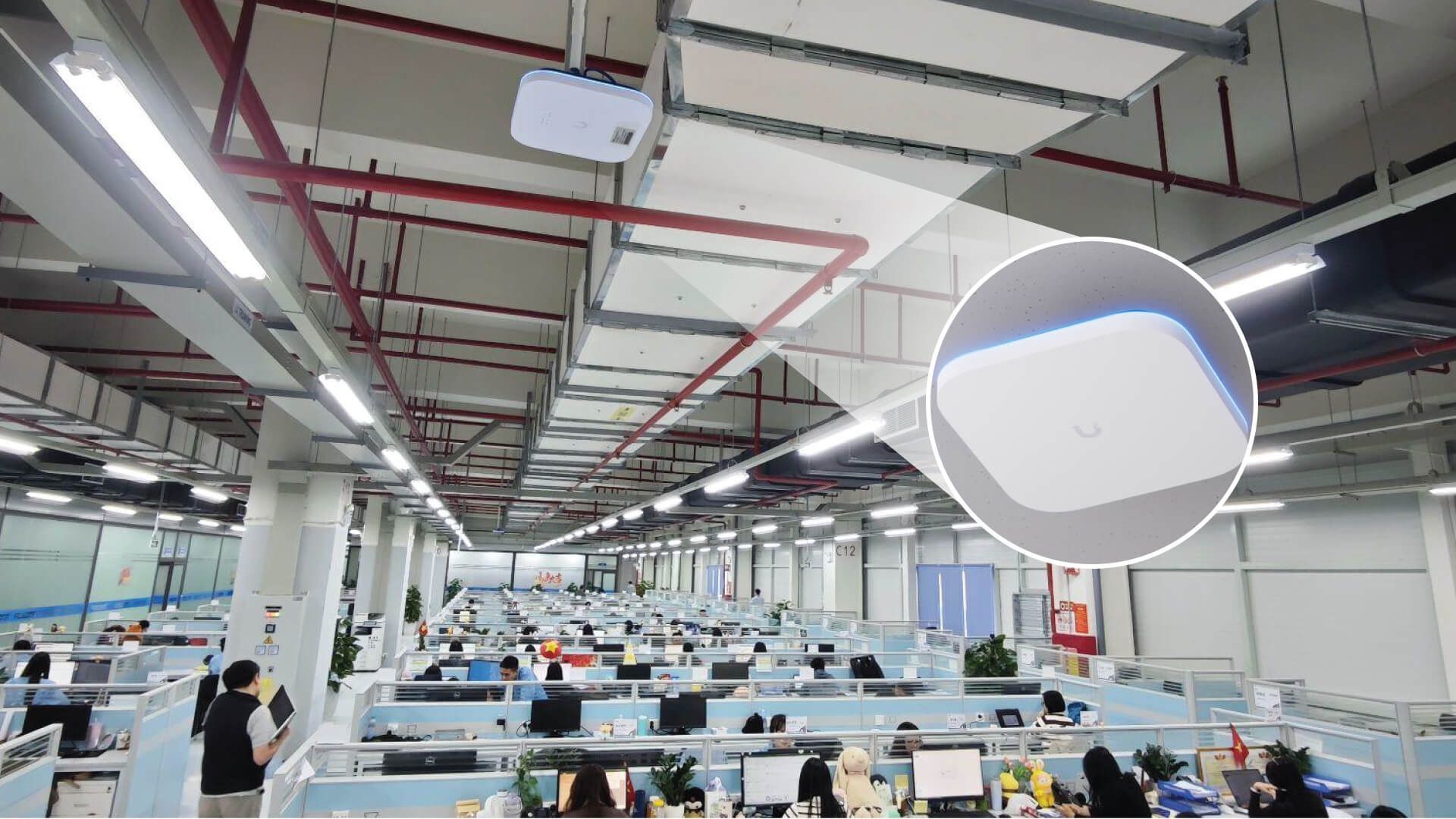
Wi-Fi: High-Density Mobility and Future-Ready Wireless

UniFi E7 Wi-Fi 7 access points were deployed across the entirety of the site — offices, access corridors, and warehouse areas requiring seamless roaming — eliminating dead zones for total coverage.

Why it Mattered

  • Reliable mobility for project collaboration and handheld/scanner workflows
  • Wi-Fi 7 upgrade over legacy enterprise wireless APs, future-proofing the campus while avoiding recurring wireless licensing
  • Centralized tuning, informative analytics, and AI tools for wireless optimization thanks to UniFi Network

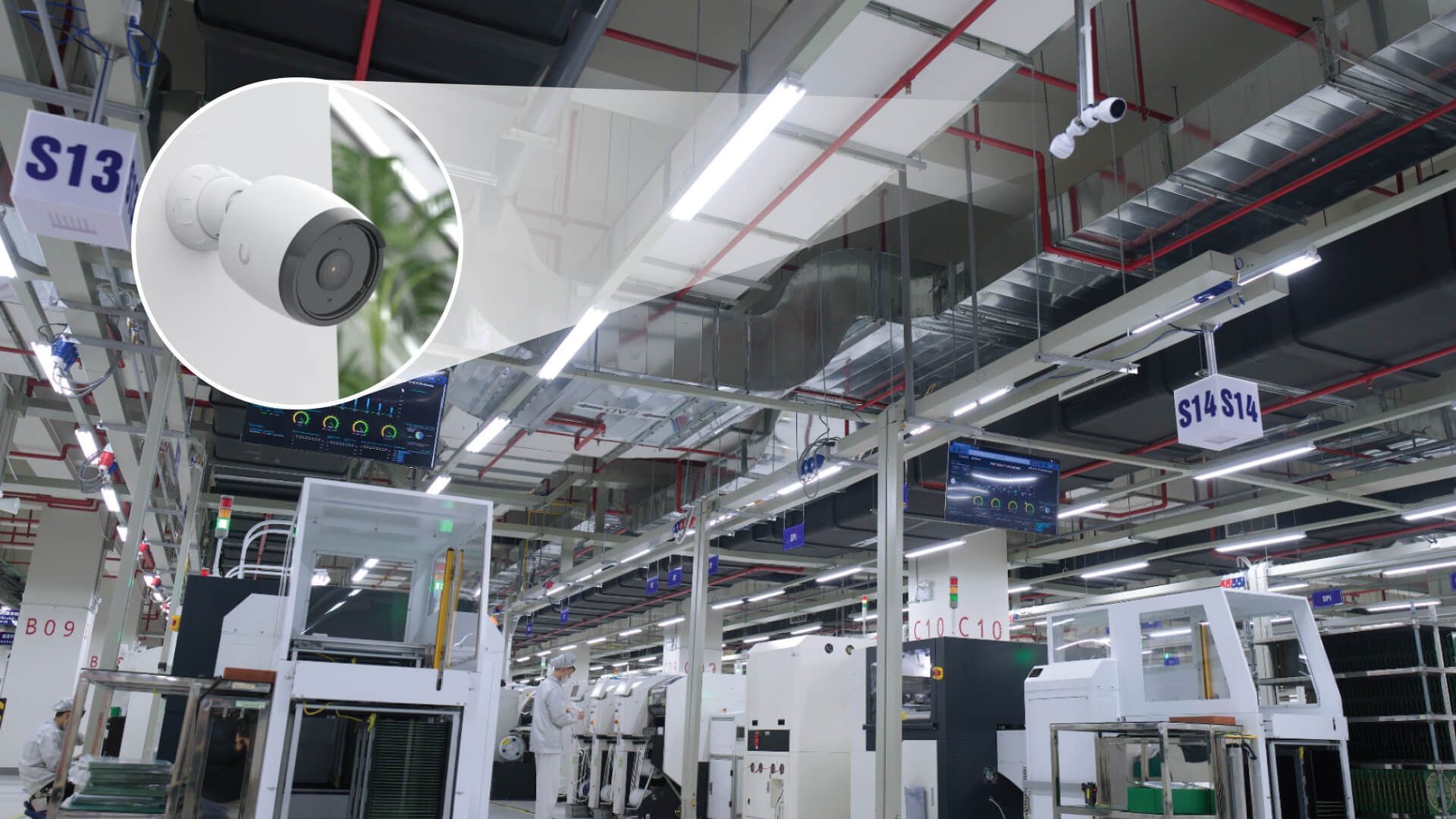
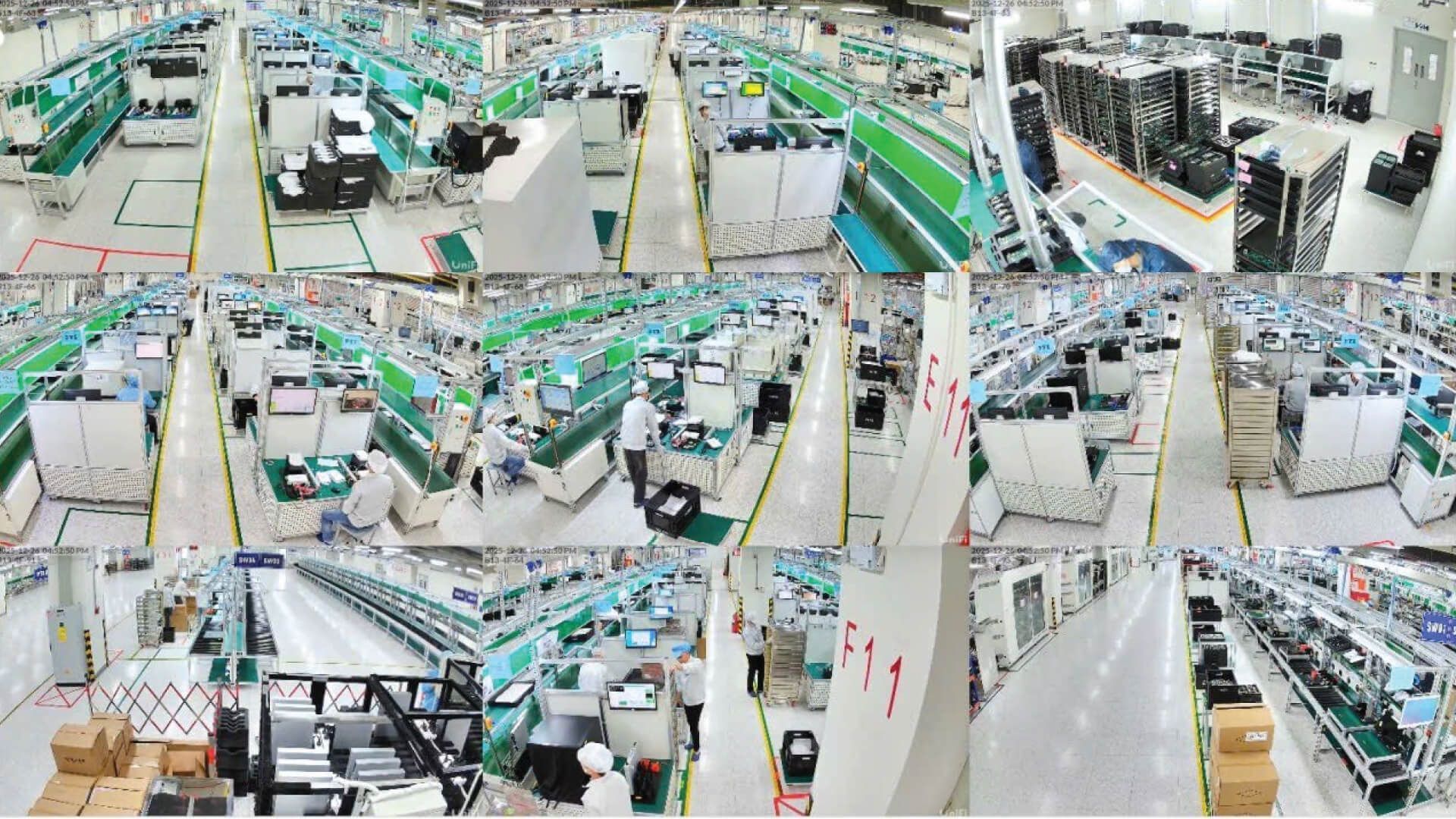
Surveillance: Unified Security with UniFi Protect

Through UniFi Protect, physical security is now seamlessly managed under one platform — replacing fragmented surveillance systems and licenses.

Deployment Scope

Why it Mattered

  • Centralized video surveillance, powerful AI alerts, and ultra fast video retrieval from the UniFi Site Manager
  • High-capacity retention providing 70+ days of video storage.
  • Operational walls and monitoring via UniFi Protect viewers such as UFP Viewport

Deployment Challenges

Migration at Scale

  • Maintaining uptime while replacing legacy network infrastructure
  • Mitigation: Parallel aggregation design with MC-LAG and phased rollout by building

Configuration Complexity

  • Multiple roles, VLANs, and production constraints
  • Mitigation: Standardized switch and policy templates applied consistently

Mixed Fabric Performance

  • Latency during coexistence with legacy equipment
  • Mitigation: Migrated high-bandwidth camera traffic first to UniFi 25G links

Results

  • High Availability Validated: Core, aggregation, and access layers tolerate link, switch, and power failures without service interruption
  • Performance Headroom Futureproof: Upgraded 25G backbone replaced constrained 1G legacy network links for increasing bandwidth requirements & peak usage
  • Cost Reduction Achieved: Recurring licensing fees eliminated while upgrading capacity
  • Operational Simplicity Gained: Network and security managed through a single UniFi platform
With Shadow Mode at the core and MC-LAG at aggregation, we now have a standardized blueprint we can replicate confidently across future buildings.

Engineering Program Lead, Campus Network | Foxconn Fii-Vietnam

Looking Ahead

  • Standardization & Replication of the UniFi Enterprise architecture across future campuses
  • Expansion of UniFi Protect, including monitoring endpoints such as UFP Viewport
  • Deployment of UniFi Access with Door Hubs & Readers for unified access control
  • Introduction of UniFi Connect for managing digital signage content

Start Your UniFi Journey

Design Center

Simulate a complete UniFi system with our powerful visualization and planning tool.

Experts

Request a meeting with expert UniFi Solutions Architects.